I’ve gone through more pairs of socks than I’d like to admit trying to get my feet under control. Plantar hyperhidrosis is a condition in which the sweat glands on the soles of the feet produce excessive sweat, and if you’ve never dealt with it, it’s hard to explain just how much a “boring” thing like sock material can change your day. I used to soak through two pairs before lunch and swap shoes just to get through an afternoon. Switching away from cheap cotton crew socks toward proper moisture-wicking pairs was one of the first changes that actually made a real difference for me, right alongside changing up my footwear routine. Below I’m sharing what I’ve learned the hard way about causes and complications, what I now check before I buy a single pair, and the ten socks that have earned a permanent spot in my drawer after a lot of trial, error, and a few pairs I regret buying.
Understanding Sweaty Feet
Causes of Sweaty Feet
Sweaty feet, a common woe, can stem from a variety of reasons. In my case, it took a while to accept that it wasn’t just “my feet run hot” — it was a real, diagnosable pattern. Let’s delve into the potential culprits:
Excessive foot sweating, also known as plantar hyperhidrosis, can be influenced by various physiological factors. The sympathetic nervous system controls the body’s sweat response, and for people like me, that system is essentially stuck in overdrive in the feet specifically. The primary mechanism involves the sympathetic nervous system, which regulates the body’s involuntary functions, including sweating. High temperatures and humidity levels can prompt the body to sweat more as a natural cooling mechanism, and I notice this immediately the second summer humidity hits. Socks made from materials that do not wick away moisture can also contribute to sweaty feet. Cotton socks, for example, tend to absorb sweat but may not effectively keep the feet dry — I learned this one the slow, damp way after years of just grabbing whatever cotton crew socks were in the drawer.
Complications Associated with Sweaty Feet
Persistent sweaty feet can give rise to various health concerns, primarily due to the warm, moist environment created within the shoes. Excess moisture on the feet creates conditions that support fungal growth, and I’ve had my own run-ins with athlete’s foot during periods when I wasn’t rotating socks or shoes often enough. This common fungal infection can cause itching, redness, and discomfort. Additionally, the accumulation of sweat can lead to the development of blisters and sores, especially in individuals engaged in prolonged physical activities — I’ve cut runs short more than once because a soaked sock turned into a hot spot on my heel. Bacterial infections may also arise, contributing to unpleasant odors. Beyond skin-related concerns, the constant dampness may potentially exacerbate pre-existing foot conditions, such as calluses or corns.
Sweaty feet, if left unmanaged, can significantly hamper daily life and overall well-being, and I don’t say that lightly. The discomfort caused by perpetually damp feet can lead to a range of practical and psychological challenges. Firstly, the persistent wetness may result in unpleasant odors, making individuals self-conscious and potentially impacting their social interactions — I used to avoid taking my shoes off at other people’s houses for exactly this reason. The constant friction between moist feet and footwear can lead to blisters, calluses, and painful sores, hindering comfortable movement and causing pain during activities like walking or exercising. The increased susceptibility to fungal infections, such as athlete’s foot, can further escalate discomfort and may require prolonged treatment. Beyond the physical inconveniences, the psychological impact of consistently dealing with sweaty feet, such as embarrassment or self-consciousness, can genuinely affect mental well-being, and finding the right socks was one of the first steps that gave me back a bit of control.
What to Look For And How To Choose Socks For Sweaty Feet?
This is the checklist I actually run through in my head now before adding a pair to cart. It took a lot of trial and error to narrow it down to these five things.
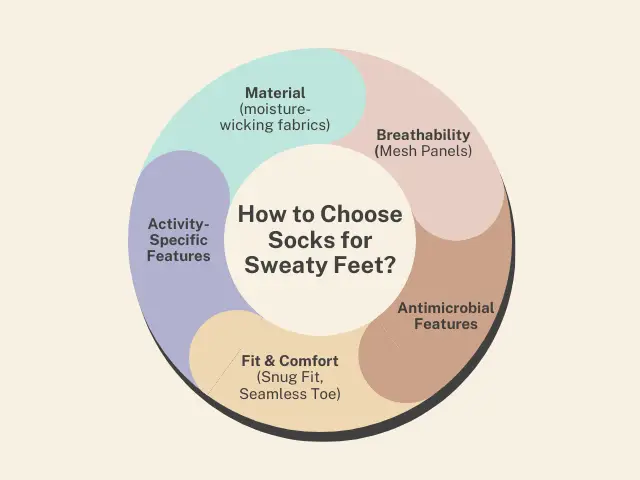
1. Material
- Moisture-Wicking Fabrics: This is the single biggest factor for me, full stop. Materials such as polyester, nylon, and acrylic are known for their moisture-wicking properties. They efficiently pull moisture away from the skin, keeping your feet drier, and it’s the difference between changing socks once a day versus three times.
- Avoid Cotton: I used to live in cotton crew socks and honestly didn’t know any better. While cotton is a popular sock material, it tends to retain moisture, leading to dampness and discomfort. Opt for socks that explicitly mention moisture-wicking capabilities and avoid those made solely from cotton.
2. Breathability
- Mesh Panels: Socks incorporating mesh panels offer several benefits, enhancing overall breathability and contributing to improved foot comfort. Mesh panels are strategically placed in areas where breathability is crucial, such as the top of the foot. These openings allow air to circulate more freely around the feet, preventing heat and moisture buildup — I actively look for these now on the box or product photos before buying.
- Thin vs. Thick: Individual preferences for thin or thick socks often hinge on personal comfort and the nature of the planned activities. I personally lean thinner year-round because thick socks trap heat and make my feet sweat even more, but I know plenty of people with hyperhidrosis who prefer the extra cushioning for high-impact activities. Thin socks provide a close-to-skin fit, promoting a sense of agility and flexibility. On the other hand, individuals engaging in high-impact activities or spending extended periods on their feet may lean towards thicker socks for the added shock absorption. Ultimately, the choice between thin and thick is subjective, with comfort and intended use serving as key determining factors.
3. Antimicrobial Features
- Antibacterial Treatment: Socks treated with antibacterial agents provide notable advantages in combating odor and promoting foot hygiene. These agents, often integrated into the sock materials, actively inhibit the growth of odor-causing bacteria. This isn’t a nice-to-have for me anymore — with how much I sweat, odor control is one of the top things I check before I buy.
- Natural Antimicrobial Properties: Socks with inherent antimicrobial properties offer a proactive solution for fostering a healthier foot environment. The natural antimicrobial elements, often found in materials like merino wool or bamboo fibers, inhibit the growth of bacteria and fungi. This not only helps prevent unpleasant foot odors but also plays a crucial role in reducing the risk of infections and maintaining overall foot health.
4. Fit and Comfort
- Snug Fit: The importance of a snug fit in socks extends beyond mere comfort, playing a pivotal role in optimal performance and the prevention of friction-related issues. A well-fitted sock adheres closely to the contours of the foot, minimizing excess fabric that could lead to bunching or wrinkles. This snug fit ensures enhanced stability within the shoe, reducing the likelihood of blisters and discomfort caused by friction during physical activities.
- Seamless Toe: Socks with seamless toe construction offer distinct benefits by preventing chafing and discomfort. The absence of seams at the toe area eliminates potential friction points, reducing the risk of blisters and irritation. This is another small detail I didn’t used to care about until a rough seam turned into a blister on a long walk.
5. Activity-Specific Features
- Cushioning: Cushioning in socks plays a vital role in providing comfort during a wide range of activities. Whether it’s running, hiking, or simply walking, adequate cushioning helps absorb impact and reduce pressure on the feet. Socks with cushioned soles offer a layer of support and padding, diminishing the stress on key areas like the heel and ball of the foot.
- Compression: The graduated pressure exerted by compression socks aids in stabilizing muscles, reducing fatigue, and minimizing the risk of injury during physical activities. Additionally, these socks promote improved blood circulation by assisting the veins in returning blood to the heart more efficiently. This enhanced circulation can alleviate swelling and discomfort, making compression socks beneficial for individuals who spend extended periods on their feet.
Top 10 Socks for Sweaty Feet, Based on What Actually Worked for Me
These are ranked based on my own rotation, a mix of what I reach for daily and what I’ve heard consistently from other hyperhidrosis sufferers when I ask what’s actually working for them.
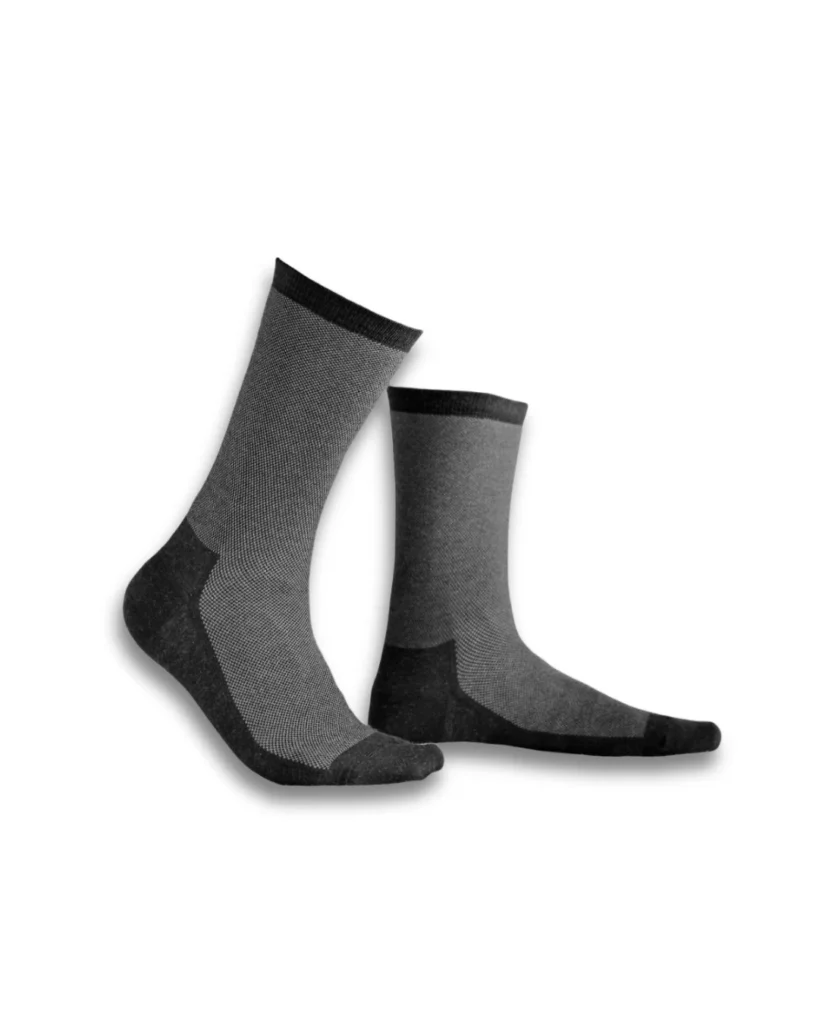
1. SWEAT GUARD® Silver Socks (crew or ankle)
My “start here” pick, and the pair I still buy in multiples: real silver fiber woven in (not a wash-on spray) to inhibit odor-causing bacteria and keep feet fresher when you’re sweating hard. Silver fiber inhibits the growth of odor-causing bacteria, which is exactly the problem I needed solved first. They market these directly for excessive foot sweating/hyperhidrosis, and unlike a lot of “moisture-wicking” socks that are really just marketed at athletes, these were clearly made with people like us in mind.
2. Drymax Run Hyper Thin Mini Crew Socks
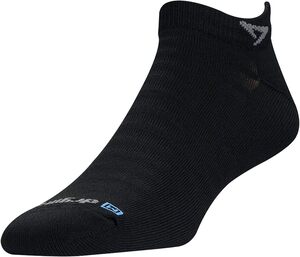
Drymax Run Hyper Thin Mini Crew Socks
The Drymax Run Hyper Thin Mini Crew Socks carve a niche in the sock market with their ultra-thin design and advanced moisture management features.
These are what I grab specifically for runs. Their unique dual-layer moisture removal system efficiently wicks away sweat, keeping feet dry even during the most demanding runs, and I’ve noticed a real drop in how many hot spots I get on longer distances since switching to these.
However, the thin material, while advantageous for those seeking a minimalist feel, may be a drawback for individuals who prefer more substantial cushioning — I felt it in my heels the first few runs before my feet adjusted. Additionally, the ultra-thin construction may contribute to a potentially faster wear rate, especially for those engaging in high-intensity activities regularly. Despite that, these remain my go-to for anything cardio-heavy where dryness matters more than cushioning.
3. Darn Tough Light Hiker Micro Crew Light Cushion
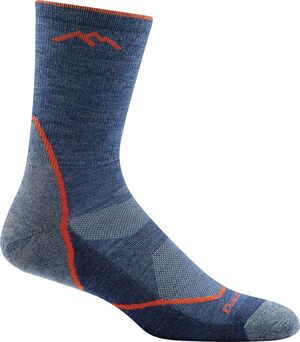
Darn Tough Light Hiker Micro Crew
The Darn Tough Light Hiker Micro Crew Light Cushion socks offer an enticing blend of quality craftsmanship and performance features.
Best for hiking
I picked these up before a hiking trip and they’ve stayed in my regular rotation ever since. Crafted from a durable merino wool blend, these socks not only provide superior moisture management but also offer a natural resistance to odors due to their antimicrobial properties.
The inclusion of a lifetime guarantee reflects the brand’s commitment to durability and customer satisfaction, and honestly it’s part of why I keep buying this brand — I’ve never had to send a pair back, but knowing I could made the higher price easier to justify. It’s worth noting the higher price point might be a consideration for budget-conscious buyers, and individuals who prefer lighter socks for specific activities may find the cushioning slightly more than desired. For me though, these are the pair I trust on longer days on my feet.
4. Smartwool PhD Run Light Elite Micro Socks
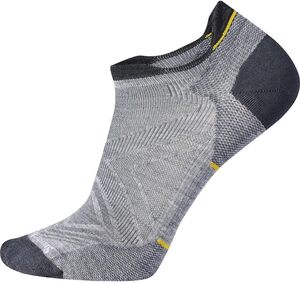
Smartwool PhD Run Light Elite Micro Socks
The Smartwool PhD Run Light Elite Micro Socks showcase a blend of premium materials and thoughtful design features that cater to the discerning needs of runners.
The inclusion of a merino wool blend ensures excellent moisture-wicking capabilities and natural resistance to odors, and this is the pair I reach for on days I know I’ll be walking a lot but still want something that looks presentable with sneakers.
The socks are further distinguished by targeted cushioning in high-impact zones, providing a balance between support and a lightweight feel. Mesh ventilation zones contribute to enhanced breathability, preventing overheating during intense runs — I can genuinely feel the difference in airflow compared to the plain crew socks I used to wear.
The higher price point may be a consideration for budget-conscious buyers, and individuals seeking maximum cushioning for specific activities might find these slightly less padded than desired. Despite that, these stay in my top rotation for the ventilation alone.
5. Feetures Elite Max Cushion No Show Tab
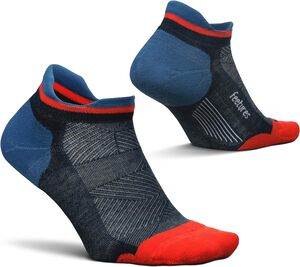
Feetures Elite Max Cushion No Show Tab
The Feetures Elite Max Cushion No Show Tab socks stand out for their commitment to delivering optimal comfort and support to users.
These became my no-show-sock answer for wearing sneakers without socks peeking out, without giving up moisture control. The inclusion of targeted compression offers a supportive fit, aiding in reducing foot fatigue during various activities. Boasting maximum cushioning, these socks provide an extra layer of comfort, especially during high-impact endeavors. The moisture-wicking feature ensures that feet stay dry, preventing discomfort caused by sweat accumulation.
Some users may find the maximum cushioning a bit bulky, impacting the compatibility with certain types of shoes — I noticed this with a couple of my more narrow sneakers. The higher price point might also be a consideration for those on a budget. Still, for low-cut days these are the ones I trust not to slip down my heel.
6. Bombas Performance Running Ankle Socks
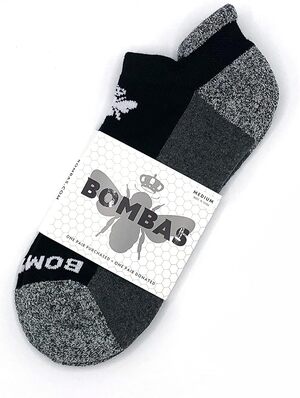
Bombas Performance Running Ankle Socks
The Bombas Performance Running Ankle Socks present a blend of innovative features and a socially responsible business model.
The honeycomb arch support system stands out as a unique and effective feature, and I actually notice it — my feet feel less fatigued on days I’m on them for hours in these versus a flatter, unstructured sock. The socks excel in moisture-wicking capabilities, ensuring that feet stay dry even during intense workouts. Beyond performance, the brand’s charitable business model, where they donate a pair of socks for every purchase, is a nice bonus that makes we feel a little better about the spend.
Some users might find these socks on the thicker side, which could be a subjective preference depending on the type of footwear. The higher price point might also be a consideration for those looking for a more budget-friendly option. That said, for gym days these have earned a permanent spot in my bag.
7. Under Armour Adult Resistor 3.0 Low Cut Socks
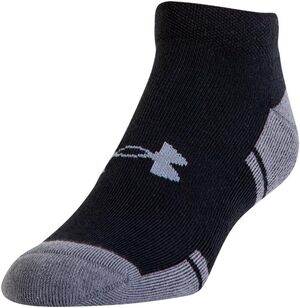
Under Armour Adult Resistor 3.0 Low Cut Socks
The Under Armour Adult Resistor 3.0 Low Cut Socks position themselves as a reliable choice with a focus on dynamic support and comfort during various activities.
This is my “buy a multipack and don’t think about it” recommendation. The dynamic arch support feature enhances overall stability, reducing foot fatigue during prolonged wear or athletic pursuits. Strategic cushioning in high-impact areas contributes to a comfortable and shock-absorbing experience. The use of quick-drying material ensures that sweat is efficiently managed, and I’ve found these dry out fast enough between wears that I don’t have to think too hard about laundry timing.
The low-cut design, while suitable for some types of footwear, may not provide the coverage desired by all users. Additionally, durability may vary depending on the intensity of use. For the price per pair though, I keep buying these as my everyday backup.
8. Wigwam Cool-Lite Hiker Pro Crew Socks
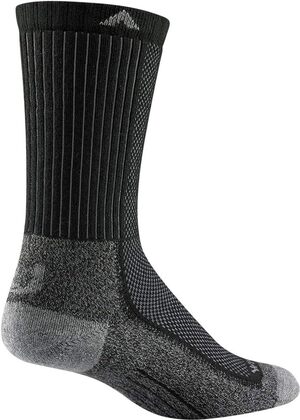
Wigwam Cool-Lite Hiker Pro Crew Socks
The Wigwam Cool-Lite Hiker Pro Crew Socks offer a combination of advanced technology and durable construction, making them a notable choice for outdoor enthusiasts.
Best for outdoors
The incorporation of Dri-release technology ensures superior moisture management, keeping feet dry and comfortable during extended wear. The cushioned sole provides an added layer of comfort, making these socks suitable for rugged outdoor activities. The durable construction of these socks ensures longevity, withstanding the demands of various terrains — mine have held up through a full season of trail walking without any thinning at the heel.
Users should be mindful that the insulation provided by these socks may make them too warm for extremely hot conditions, but these are really great for winter time especially if you want to spend more time outdoors. I actually pull these out specifically once temperatures drop, since most of my “sweat-first” sock picks skew thin and aren’t warm enough for cold weather.
Additionally, the bulkier design might not be ideal for those who prefer a more minimalist sock. Despite that, these are what I trust for cold-weather outdoor days.
9. Nike Dri-FIT Cushion Crew Training Socks
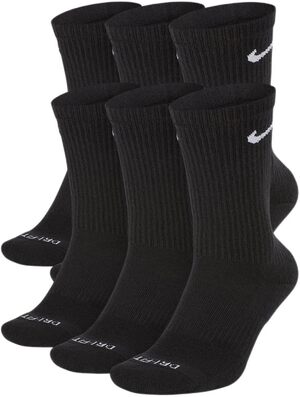
Nike Dri-FIT Cushion Crew Training Socks
The Nike Dri-FIT Cushion Crew Training Socks are tailored for those engaging in high-intensity workouts, offering a blend of advanced technology and comfort features
Best Overall
These are the ones I recommend most often when people ask me where to start, mostly because they’re easy to find and genuinely deliver. The incorporation of Dri-FIT technology ensures efficient moisture-wicking, keeping feet dry during demanding training sessions. The thick cushioning provides enhanced comfort and support, reducing impact and fatigue. Designed specifically for high-intensity training, these socks cater to individuals seeking optimal performance.
Some users may prefer lighter socks, especially for activities that don’t require as much cushioning. The crew length design may also be a consideration, as it might not be the preferred sock height for all sports or personal styles. For me, these have become the reliable default I stock up on whenever a sale comes around.
10. Hylaea Merino Wool Ski Socks
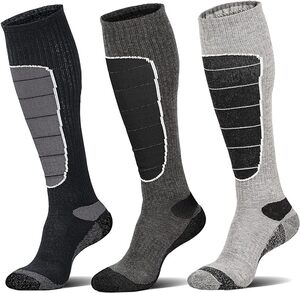
Hylaea Merino Wool Ski Socks
• The Hylaea Merino Wool Ski Socks present a premium option for individuals seeking top-tier performance in cold weather activities.
Best for cold weather
I bought these before my first ski trip after my regular socks left my feet soaked and freezing by lunch, and they solved that problem completely. Crafted with sweat-wicking yarn and a merino wool blend, these socks excel in moisture control, keeping feet dry and warm during skiing and other winter sports. The targeted cushioning enhances comfort, providing support in high-impact zones. Mesh ventilation zones contribute to breathability, preventing overheating during strenuous activities.
The premium pricing may be a consideration for budget-conscious consumers, and the merino wool component requires careful laundering to maintain its properties, which is a minor hassle I’ve made peace with. Despite that, these are the only socks I trust for a full day on the slopes.
Additional Tips for Managing Sweaty Feet
Iontophoresis for Sweaty Feet
Iontophoresis is a therapeutic technique that has been employed as a potential treatment for conditions characterized by excessive sweating, including sweaty feet or plantar hyperhidrosis. This non-invasive procedure involves the use of a medical device that delivers a mild electrical current to the affected area, typically the feet in this context.
During iontophoresis, the affected body part is submerged in water, and a specialized device is used to generate a low electrical current. Iontophoresis temporarily reduces sweat gland activity in the treated area. The mechanism behind iontophoresis is not fully understood, but it is believed to alter the functioning of sweat glands and may impact the activity of nerves responsible for controlling sweat production. This alteration in the sweat gland activity can lead to a reduction in excessive sweating.
When to See a Doctor?
While sweaty feet, or plantar hyperhidrosis, is a common condition, there are instances when seeking medical attention is advisable. Here are situations in which consulting a healthcare professional or a dermatologist is recommended:
1. Sudden Onset or Change in Sweating Patterns:
If you experience a sudden and unexplained increase in foot sweating or notice a significant change in your sweating patterns, it’s essential to consult a healthcare professional. This could be indicative of an underlying medical condition that requires attention.
2. Excessive Odor or Persistent Infections:
If sweaty feet are accompanied by a persistent foul odor or if you develop recurrent fungal or bacterial infections (such as athlete’s foot), it’s important to seek medical advice. Persistent infections may require specific treatments that a healthcare professional can prescribe.
3. Impact on Daily Life and Activities:
If excessive foot sweating is significantly impacting your daily life, causing discomfort, interfering with work, or hindering social activities, seeking medical advice is warranted. A healthcare professional can help explore potential treatment options to improve your quality of life.
4. Lack of Relief from Over-the-Counter Products:
If over-the-counter antiperspirants, powders, or moisture-wicking socks do not provide relief, it may be time to consult a healthcare professional. They can recommend stronger prescription-strength products or explore other treatment modalities.
5. Skin Changes or Irritation:
If you notice changes in the skin of your feet, such as redness, inflammation, or persistent irritation, it’s crucial to consult a healthcare professional. Skin changes may indicate an underlying dermatological issue that requires proper diagnosis and treatment.
6. Associated Symptoms or Medical Conditions:
If sweaty feet are accompanied by other concerning symptoms, such as numbness, tingling, or pain, or if you have underlying medical conditions such as diabetes or circulatory issues, seeking medical attention is important. Sweaty feet in combination with other symptoms may be indicative of an underlying health issue.
7. Ineffectiveness of Home Remedies:
If home remedies and lifestyle modifications fail to alleviate excessive sweating, consulting a healthcare professional is advisable. They can assess the severity of the condition and recommend more advanced treatment options if necessary.
Quick Answers About Socks for Sweaty Feet
What are the best socks for sweaty feet? Moisture-wicking socks made from synthetic blends (like the SWEAT GUARD® Silver Socks) or merino wool (like Darn Tough or Smartwool) work best, since both materials actively pull sweat away from the skin instead of holding onto it like cotton does.
Should people with hyperhidrosis avoid cotton socks? Yes. Cotton absorbs sweat instead of wicking it away, so it stays wet against the skin and increases the risk of blisters, odor, and fungal infections.
How often should I change socks if I have sweaty feet? I personally change mine at least once during the day if I’m out for more than a few hours, and always right after a workout — leaving damp socks on for extended periods is what tends to cause skin problems.
Can the right socks alone fix sweaty feet? Not entirely, but they make a real difference. I pair moisture-wicking socks with breathable shoes, foot powder, and occasionally iontophoresis for a more complete approach.
Conclusion
Socks, often overlooked in their importance, play a pivotal role in managing sweaty feet and contributing to overall foot health. I didn’t expect something this simple to change my daily comfort as much as it has, but going from cheap cotton socks to a proper moisture-wicking rotation genuinely changed how my feet feel by the end of the day. By comprehending the causes and complications of sweaty feet, understanding the key features to look for in socks, and using the list above as a starting point rather than a strict ranking, you can figure out what actually works for your feet. You can follow our tips for sock selection, which will help you deal with sweaty feet, and know when it’s time to seek professional help. Armed with a bit of trial and error and the right pair on your feet, you can genuinely make sweaty feet a smaller part of your day.




Pingback: How to stop sweaty feet from ruining your shoes? (8 tricks)
Pingback: The 6 Most breathable shoes for sweaty feet (for Women)