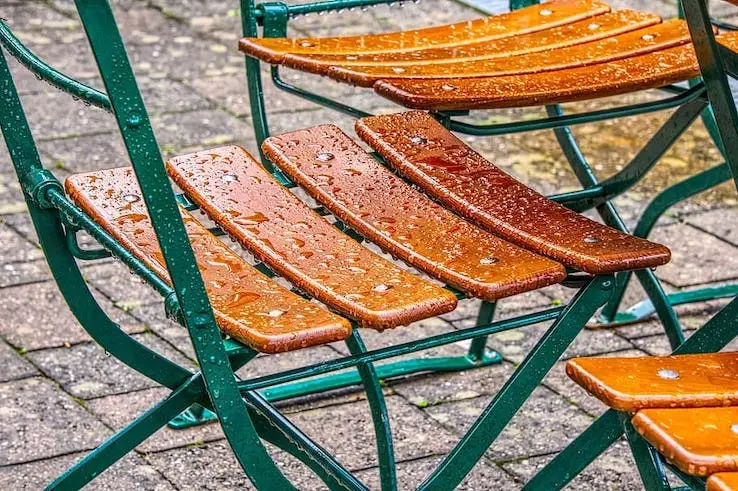
Quick answer: you leave sweat marks on chairs because sweat gets trapped between your skin, your clothes and the seat. To stop it, stand up and walk around regularly, wear breathable underwear and loose clothes, and sit on a breathable chair or a cooling cushion. The 21 tips below cover each of these and more.
Some links in this article are Amazon affiliate links, marked as sponsored. If you buy through them I may earn a small commission at no extra cost to you. Health statements below are attributed to the sources I link, and the personal stories and product picks are my own.
We all have swamp bottoms
It’s always quite embarrassing to leave butt sweat marks on your chair. It’s also very uncomfortable to feel wet.
But no worries, we ALL deal with butt sweat!
Sweaty bums can be caused by a lot of things: you just had an intense workout at the gym, you are stressed, you are wearing non-breathable underwear, or it is simply super hot this summer! Whatever the reason is, just remember we all experience it!
Why it’s important to take care of it
Sitting in constant moisture is uncomfortable, and it can irritate your skin. Some infections also like damp conditions: the NHS says thrush tends to grow in warm, moist conditions, although it develops when other things change too, such as irritated or damaged skin, taking antibiotics, poorly controlled diabetes or pregnancy.
So keeping the area as dry and breathable as you reasonably can helps with comfort and may help with irritation, even though sweat is only one of the factors.
There are a bunch of things you can do to stop butt sweat, or at least to limit the mess! Read the suggestions below:
21 Tips on How to Stop Leaving Sweat Marks on Chairs
Tip 1: Stand up regularly and walk around
Don’t sit for too long. Make sure you regularly go for a walk. Get a little breeze down there. It can be as simple as going to the bathroom, grabbing a coffee, or walking around the block. Just a little something! And make sure you do it regularly, like every hour or so. Walking is not only good for preventing butt sweat, but it also makes you more creative, according to this Ted Talk.
Tip 2: Trim things down
Hair down there is a personal choice, and some people find that trimming or removing it makes them feel less damp and sticky. I am not aware of good evidence that it reduces how much you sweat, so treat it as a comfort preference. If you do it, keep your skin gentle to avoid irritation.
Tip 3: Use a cooling cushion
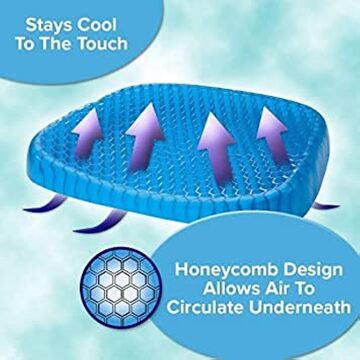
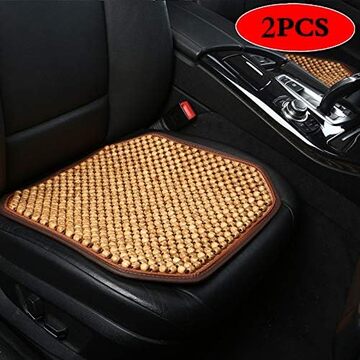
Adding a cushion on your chair can help let air flow between your bottoms and the chair. There are 2 types of cushions for that: an egg sitter or an old-school wood-beaded seat. Either way, they both help with ventilation AND with comfort when sitting for a long time, so it’s a win-win!
Tip 4: Avoid spicy and acidic food
This one is a no-brainer: most of us have noticed that spicy food makes us sweat. WebMD explains that peppers contain capsaicin, which triggers nerves that make your body feel warmer, so you sweat to cool back down. It also says foods with acidic ingredients, like vinegar, or foods eaten very hot can make you sweat as well.
Spicy ingredients can hide in an Indian or Thai curry, in a broth, in pizza condiments, etc., so be careful!
Apples and lemon are my own personal acidic triggers: I don’t know about you, but I get drops rolling down my neck every time I eat an apple! (yeah, weird, I know, don’t judge!)
Some people also notice that strong-smelling foods such as garlic and onions change how they smell when they sweat. I don’t have a study for that, so treat it as something to test for yourself.
We’re all different. The American Academy of Dermatology (AAD) says triggers vary from person to person and suggests keeping a sweat journal to find yours. Then avoid them on the days you are more likely to sweat.
Tip 5: Reduce Caffeine Consumption
Everyone loves coffee and energy drinks! The AAD lists caffeine and alcohol among common sweating triggers, and says feeling anxious, nervous, fearful or stressed can trigger heavy sweating too. Caffeine doesn’t target your bum specifically, but it can add to your overall sweat.
If you take pre-workout supplements, check the label: they can contain much more caffeine than a cup of coffee, and a caffeine-free version is an easy swap on days when sweat marks matter.
I explain more about why this area sweats so much in why I sweat so much in my groin and bum.
Tip 6: Carry an extra pair of underclothes with you
When you hit the gym or go out, you already know you’ll sweat a lot more than usual. So, simply plan ahead and take an extra pair of underwear in your bag.
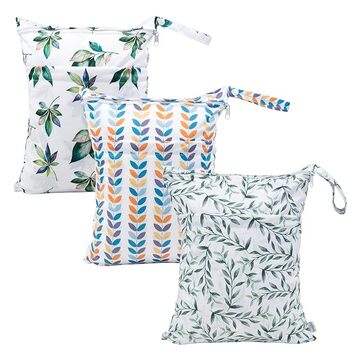
Like me, you might be afraid your panties fall off your bag when you pull something out, and it ends up in the middle of a crowd. Then, just put them in a little zip bag! I personally like PlanetWise-type of zip bags because you can’t see what’s inside, they keep the leaks/smell in and they are machine-washable. But any type of little fabric bag you have available should do!
Tip 7: Try sage tea/sage cold tea to reduce sweat
Sage tea is a traditional remedy that some people drink for hot flashes and sweating. I haven’t found good clinical evidence that it reduces butt sweat, and I haven’t tried it myself, so consider it optional. As a general precaution, ask a doctor or pharmacist before drinking herbal teas regularly if you take medication or are pregnant or breastfeeding. If you try it, let me know how it goes!
Tip 8: Pick cotton for your underwear
This is probably the most important one. When you sweat a lot, you need to know how to pick the right fabric for both your clothes AND your underwear.
Avoid synthetic fabrics and go with natural, breathable fabrics, like cotton (that’s what my doctor recommended to me!). The only issue with cotton though is that it keeps the moisture trapped in the fabric, so you can get damp very quickly if you start sweating in it.
So if you wear cotton undies, carry an extra pair with you just in case, or, if you are a lady, stick a pantyliner in it for part of the day!
Alternatively, you can also try sweat-wicking underwear. Basically, they are made of a blend of synthetic fibers that helps push the water to the outer shell of the underwear.
Get BLACK or WHITE underclothes, no grey or colors because these colors would show sweat marks.
If you want specific options, see my picks for sweat-proof underwear for men and sweat-proof undergarments for women, and the difference between moisture-wicking and moisture-absorbing fabrics.
Tip 9: Pick the right shape for your underwear
When you are sweaty down there, your inner thighs are rubbing each other constantly, and the friction causes a painful irritation. It’s called chafing.
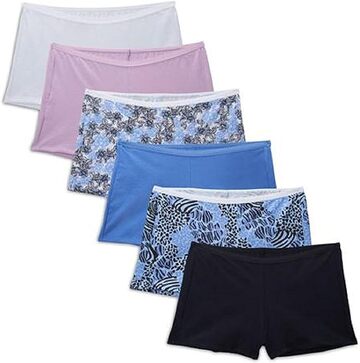
To prevent it from happening, the simplest thing to do is to wear short pants or to wear short underwear (‘shorties’ for women, ‘boxer briefs’ for men or compression shorts at the gym).
I cover more ways to deal with this in how to prevent chafing and excessive sweat.
Tip 10: Change your chair so it’s breathable
If you don’t want to wet chairs, start with avoiding leather seats! They are the worst, right!? If you have a leather chair at home or at the office, then maybe it’s time to swap it for a mesh chair! If you shop for mesh chairs that help with sweating, ensure the seat is in mesh too (not just the back part).
Mesh chairs are fine for the office, but quite ugly for your interior. If you’re looking for something you can use in your home try natural fabrics: a woven chair with a grid-like seat would let you breathe through.
And if you are in a leather bar stools (happens all the time, ugh! ) then don’t sit on it: either lean against it or stand up by the bar. You can use a fake excuse ‘I sat all day, I need to stretch my legs, blabla’ 🙂 )
Tip 11: Take bathroom breaks and use wipes
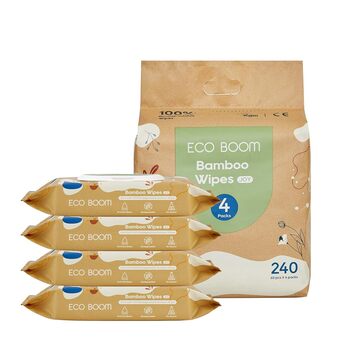
If you get too sweaty and uncomfortable, take bathroom breaks to freshen up. Clean up with some wipes/cleansing cloths, and then tap your groin dry.
You can buy unscented wipes at your local corner store or online.
And if you feel frugal and eco-friendly, you can create your own wipes: just wet some small bits of fabrics with a cleanser or with a homemade mix of water/drops of baby oil, and then stick them in a sealable plastic bag and voila, you can carry them in your bag at all times!
Tip 12: Wear loose outfits
Gentlemen, make sure you wear shorts or loose-fitting pants. Ladies, wear loose pants or skirts/dresses.
For office days, build a sweat-smart work outfit—lightweight cotton or linen trousers, as a sweatproof base layer/underwear, and darker colors—to stay cool and keep any marks discreet.
The point is to keep the air flowing down there as much as possible! So picking the right cuts and shapes of clothing will be key!
For work outfits, see my clothing tips for handling hyperhidrosis at work.
Tip 13: Be careful with powders on your butt
There are tons of articles online saying we should try talcum powder to avoid bum sweat, but I would skip it. Studies have raised concerns that talc-based powder in the genital area may increase ovarian cancer risk in women. The American Cancer Society says findings have been mixed, with some studies reporting a slightly increased risk and some reporting no increase. Because non-talc alternatives exist, one dermatologist quoted by the International Hyperhidrosis Society (IHhS) says we should avoid talc when possible.
If you still want a powder to absorb moisture, people often try cornstarch, arrowroot or tapioca powder. I haven’t found a medical source on which non-talc powder works best for the groin, so treat these as things to try with care. The IHhS also advises avoiding breathing in powders.
Tip 14: Take off your swimsuits and workout clothes
Don’t wait to remove your wet swimsuit and wet workout clothes. If you can’t shower, at least go into a bathroom and change quickly, so you don’t sit in damp clothes. The NHS says thrush tends to grow in warm, moist conditions, so long spells in wet clothing are best avoided.
It’s more comfortable to be in dry clothes anyway!
Tip 15: Leave a turkish towel at the office
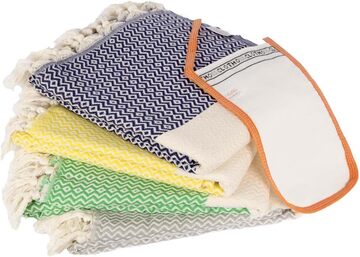
We don’t really get to choose what chairs we have at the office, so if you’re like me you ended up with a leather desk chair… not great! I was embarrassed of leaving sweat marks on my chair when I would go grab coffee, go take a bathroom break, etc. So I found the trick: a turkish towel!
Keep one at your desk, and sit on it to absorb the sweat, or leave it on your chair’s back and put it on your seat when you leave your desk to go somewhere. That will hide (and wipe!) the sweat while you are away. And when it’s freezing in the office (because of too much A/C) you can use it as a blanket. So many people have blankets or hoodies at their desk when the A/C gets too cold that no one will be surprised you have too, so that’s an amazing excuse. You won’t need to explain you’re sweating, you can just pretend you like to have it when you get cold sometimes.
I’m also obsessed with turkish towels because you can use them for so many things: for picnics, at the beach, as a towel, and even as a scarf if you want! It’s one of those multi-uses items you want to have around!
Tip 16: Carry a towel at the gym
This one is a no-brainer. Just make sure you don’t forget to carry a towel with you when you hit the gym. Everyone carries one anyway, so no one will be surprised. You can sit on it, or wipe the handles of whatever machine you’re using!
Tip 17: Moisture down there
Sweating can smell bad sometimes. If your butt is moisturized when you sweat, at least it will smell more like the product you used. So it doesn’t stop the sweating but at least it can help hide the odor a bit! After your shower, apply some moisturizer, and wait a bit until it dries before you dress up.
Tip 18: Wear black outfits to hide sweat
If you know you are gonna sweat no matter what, then you want to make sure you hide the sweat patches. I’ve written an article on how to pick the right colors when you sweat, but when in doubt just wear black. It won’t show your sweat. And it doesn’t have to be boring. You can wear colorful accessories, bags, etc.
And if you don’t like black, go with patterned clothes (think striped shirts, plaid shirts, etc.) They will hide the sweat marks too.
Tip 19: For the ladies: try panty liners to absorb sweat
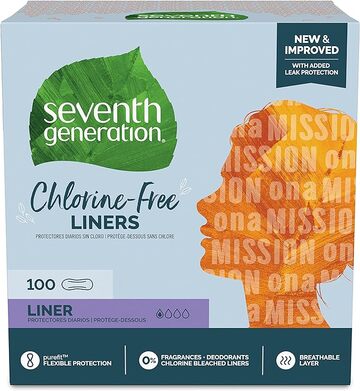
If you are a woman, you may want to try panty liners. It’s not recommended you wear them all day every day (because they trap the water), but every now and then let’s admit it’s quite convenient! During big heat waves, or when I go out, etc. I would put one in my panty and change it later to avoid getting my underwear wet.
I’ve noticed that when I get the cheap ones (from the store brand usually) and I sweat in them, then they get destroyed by the sweat and it’s a mess to remove them. So now I get these fancy organic ones at Whole Foods (called Seventh Generation Pantiliners) and they are super soft and don’t get torn apart by sweat.
Tip 20: For the ladies: try menstrual period underwear
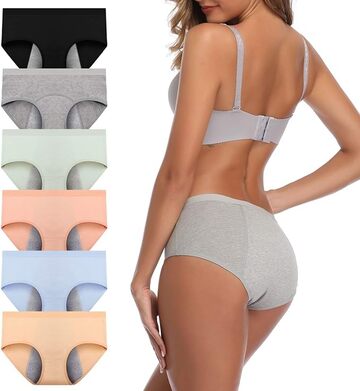
Leakproof panties to absorb periods have become a thing these past few years, so why not take advantage of them to absorb sweat too on non-periods day? As long as they absorb, that’s what we want!
Tip 21: Standing Workstation
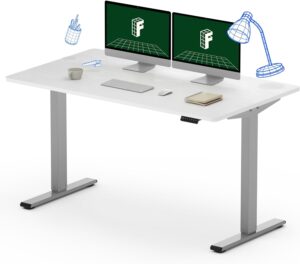
If you are an office person and you are always sitting, opt for an adjustable standing desk that allows you to alternate between sitting and standing positions. This way, you can change positions frequently and reduce butt sweat. It’s also good for your posture and circulation.
Conclusion
So as you can see, there are a bunch of things you can do to stop leaving butt sweat marks on chairs!
But if it happens constantly and excessively, every single day and no matter how hot it is, you may have a condition such as hyperhidrosis (excessive sweating). The NHS says to see a GP if you are sweating excessively and any of these apply:
- things you try yourself are not helping
- it has lasted for at least 6 months
- it stops you from getting on with your daily activities
- it happens at least once a week
- it happens at night (night sweats)
- you have a family history of excessive sweating
- you are taking medicine for another condition
The same goes for repeated infections or inflammation in the area. For groin sweating, the IHhS quotes dermatologists who treat it with options such as Botox injections, glycopyrrolate wipes, oral glycopyrrolate or an antiperspirant gel called Hydrosal. To explore options, see what actually works for excessive sweating, head to feet, aluminum lotions and anticholinergic wipes and comparing Brella, Botox, Sofdra and iontophoresis. This is general information, not medical advice.
Otherwise, just follow these tips, and remember: Get some breeze down there! 🙂
Want to understand why this area sweats so much in the first place, and what else has helped me manage it? I get into it more in why I sweat so much in my groin and bum.
And if you want to avoid sweat marks on your clothes, check out how to prevent sweat stains and which colors hide sweat.
About this article
Updated 21 November 2026. I checked the health statements in this article against the sources linked in the text and attributed each one. The personal stories and product picks are my own experience and are labeled as such where it matters. I am not a medical professional and this article has not been reviewed by one. It is general information, not medical advice, so talk to a doctor about your own situation.
Sources: NHS: Thrush · NHS: Excessive sweating · WebMD: Sweating and food · AAD: Hyperhidrosis self-care · American Cancer Society: Talcum powder and cancer · IHhS: Back, groin and other areas · IHhS: Plantar hyperhidrosis game plan.



Pingback: How to Stop Sweat Stains? The complete list of 24 simple tips you can try today
Pingback: What are the Best Office Chairs That Prevent Sweating? (Top 8) - SweatySwaggy
Pingback: How to prevent chafing and excessive sweat this summer? (16 tips)