Out of every place my body decides to sweat, my groin and bum are the ones I hate talking about the most. It’s uncomfortable, it’s itchy, it ruins certain outfits, and honestly, it’s just not something that comes up in casual conversation the way sweaty palms or underarms do. But it’s real, it’s common, and after years of dealing with it, I’ve picked up a few things that actually help.
Depending on what you’re dealing with, these might help too:
Why Groin and Bum Sweating Happens
Both areas are skin-on-skin or skin-on-fabric most of the day, with almost no airflow. That combination of heat, friction, and moisture that can’t evaporate is exactly what makes them such heavy sweat zones for me. Add sitting for long stretches, synthetic fabrics, or a hot day, and it doesn’t take much to go from a little dampness to a genuinely uncomfortable situation.
What Triggers It for Me
- Heat and humidity — the obvious one, but it hits this area faster than almost anywhere else on my body.
- Tight, synthetic clothing — anything that doesn’t breathe traps heat and moisture right where I don’t want it.
- Sitting for long periods — long car rides, flights, or a desk job all make it worse simply because there’s zero airflow.
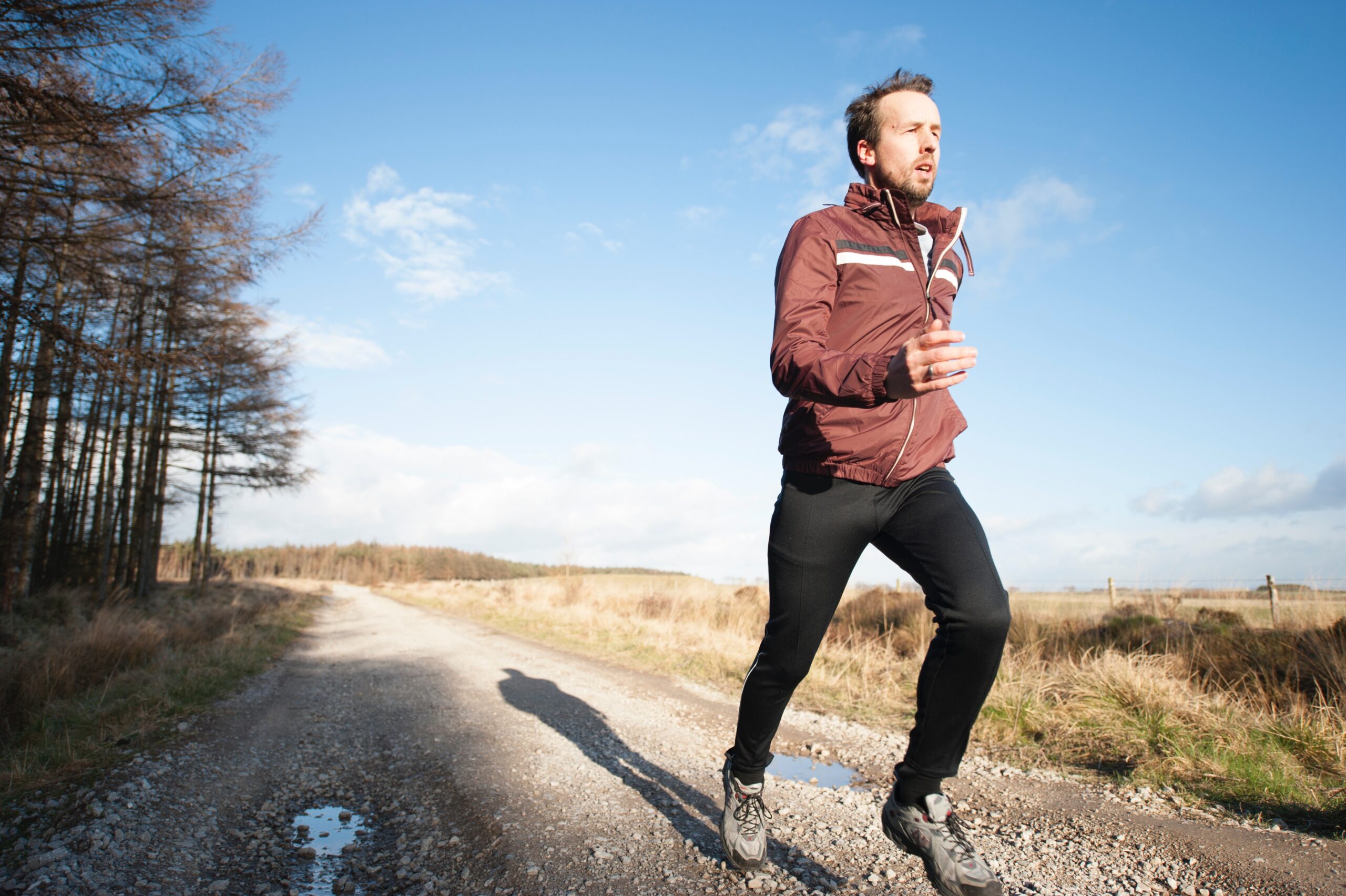
- Exercise — running, cycling, and anything with repetitive friction ramps it up fast.
- Stress and anxiety — like with my other hyperhidrosis triggers, nerves alone can set it off.
Fabrics and Clothing That Actually Help
Switching to breathable fabrics made a bigger difference than almost anything else I’ve tried. Cotton and moisture-wicking synthetics let air move and pull sweat away from my skin instead of trapping it against tight, non-breathable material. I’ve also gone up a size in underwear and shorts in this specific area — anything too tight just presses damp fabric right against my skin all day.

How I Deal With It Day to Day
- Antiperspirant or powder — yes, you can use antiperspirant wipes or a talc-free powder on this area, not just underarms.
- Moisture-wicking underwear — a game changer over standard cotton, especially on hot or active days.
- Changing out of damp clothes quickly — after a workout or a long commute, I don’t let sweaty fabric sit against my skin longer than I have to.
- A cooling gel or towel — for long flights or car rides, this has saved me more than once.
- Showering and drying thoroughly — sweat trapped in skin folds is what leads to irritation and odor, so I make sure the area is completely dry before getting dressed.
When It’s Worth Getting Checked Out
If the sweating is constant, soaks through clothing regularly, or comes with a rash, odor, or skin breakdown that doesn’t clear up, it’s worth bringing up with a doctor. It could be hyperhidrosis affecting this area specifically, or something else like intertrigo, that’s easier to treat once it’s actually diagnosed.
This article reflects my personal experience and is for general informational purposes only — it isn’t a substitute for professional medical advice.