One of the most common questions I get is some version of “what actually works?” — and the honest answer is that it depends heavily on where you sweat. Hyperhidrosis treatment effectiveness varies significantly by body region, because sweat gland density, skin structure, and nerve access are different at each site. A treatment that works beautifully on underarms can be nearly useless on feet, and something first-line for hands might not even be an option for your face. I put together a deep dive into what the clinical research and the International Hyperhidrosis Society’s own treatment guidelines say works best, broken down by body part: head and face, underarms, hands, and feet.
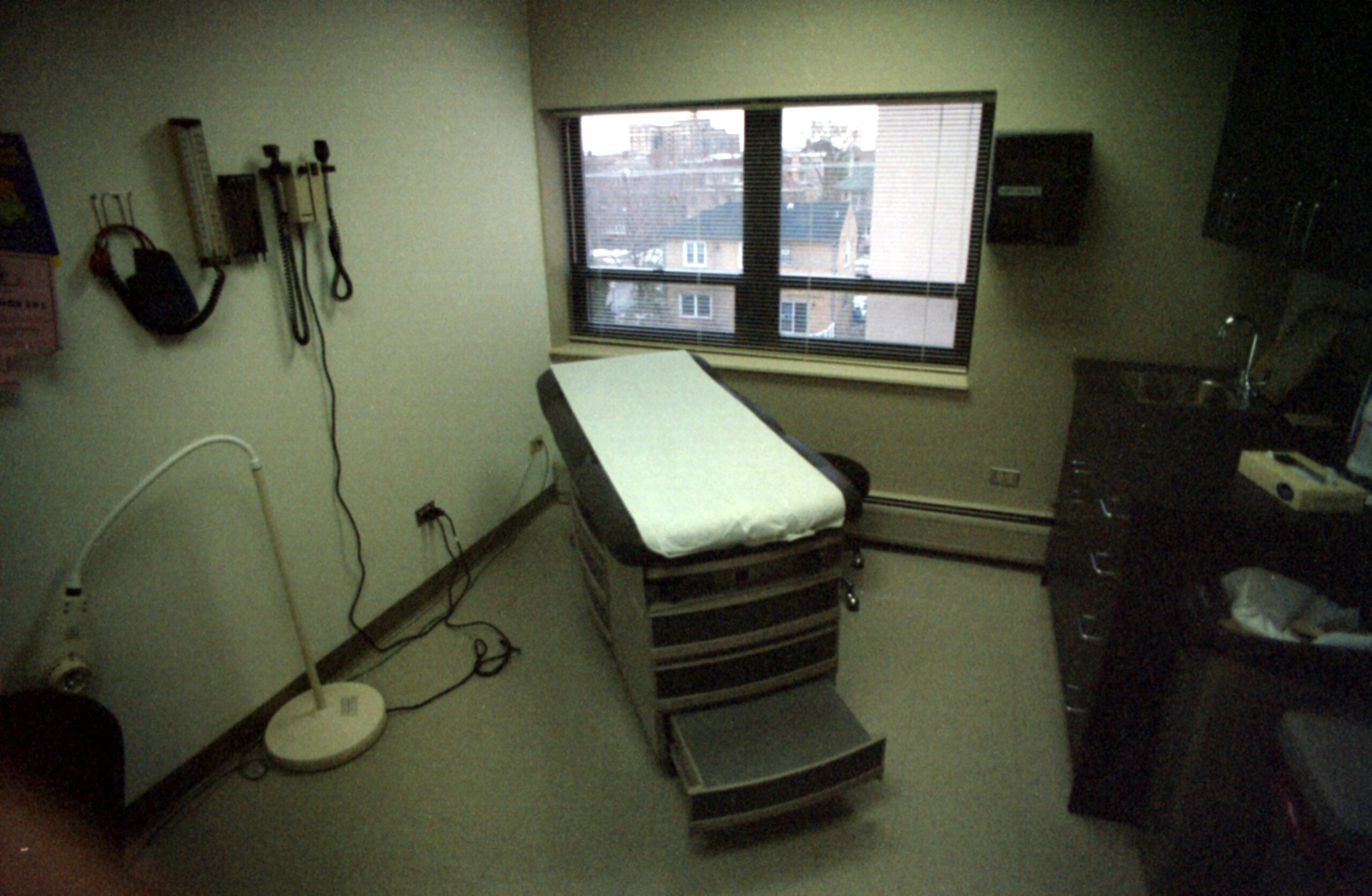
Quick note before we start: I’m not a doctor, and this isn’t medical advice. This is a research summary of what’s currently approved and studied, meant to help you have a more informed conversation with a dermatologist — not to replace one. Some of these treatments (Botox, oral medications, surgery) require a prescription and medical supervision for good reason.
Quick Summary Before the Details
- Head, face & scalp: Topical glycopyrrolate or intradermal Botox are the strongest first-line options — standard antiperspirants tend to irritate facial skin.
- Underarms: The most crowded field — aluminum chloride first, then Botox, miraDry, Qbrexza, or Sofdra depending on how you respond and what you can tolerate.
- Hands: Iontophoresis and high-strength antiperspirants first; Botox is the strongest option if those fail, though it’s a more involved procedure on hands specifically.
- Feet: Iontophoresis is the clinical favorite here — and surgery is specifically not recommended for feet, even as a last resort.
Head, Face & Scalp (Craniofacial Hyperhidrosis)
Facial sweating is genuinely one of the harder areas to treat, mostly because the tools that work well elsewhere don’t translate cleanly to the face. Standard aluminum chloride antiperspirants are considered first-line for most body regions, but on the face they often cause irritation and leave a visible white residue, which makes them a rougher starting point here than anywhere else on this list.
| Treatment | Reported Efficacy | Typical Duration | Treatment Line |
|---|---|---|---|
| Topical aluminum chloride | Often insufficient/irritating on facial skin — efficacy not well quantified for this area specifically | Reapply every few days | First-line |
| Topical glycopyrrolate 2% | ~75% complete response in studies | Weeks per application cycle | First-line |
| Intradermal Botox | Sweating fully stopped in ~92% of patients in one small study (11 of 12) | 5+ months average | First-line |
| Oral anticholinergics / clonidine | Effective but body-wide; efficacy varies by medication and dose | Ongoing while taking | Second-line |
| ETS surgery | Can be effective for the face specifically, but rarely used due to risk | Permanent | Last resort — higher compensatory sweating risk |
What actually works
- Topical glycopyrrolate (2%) — a compounded anticholinergic applied directly to the face. Clinical studies have reported a complete response in roughly 75% of cases, with the advantage of a faster onset than Botox, though the effect doesn’t last as long.
- Intradermal Botox injections — considered first-line alongside topical glycopyrrolate in a 2015 systematic review. In one small study, sweating in the injected area stopped completely in the large majority of patients, lasting a minimum of about 5 months on average, with 2-3 treatments needed per year. The tradeoff is a real one on the face specifically: there’s a documented risk of temporary brow asymmetry or mild forehead muscle weakness depending on injection placement.
- Oral systemic medications — glycopyrrolate, oxybutynin, propantheline, propranolol, clonidine, or diltiazem, used as a second-line option. Clonidine specifically has been noted as especially useful for facial hyperhidrosis. These work on sweating throughout the body, not just the face, so side effects like dry mouth and blurred vision tend to be more noticeable than with topical or injectable options.
Surgery (endoscopic thoracic sympathectomy) exists as a last-resort option for craniofacial hyperhidrosis, but it’s used far less here than for hands — the risk of severe compensatory sweating elsewhere on the body is reported as higher when the surgery targets the nerves feeding the face, so most dermatologists reserve it for cases where nothing else has helped at all.
Underarms (Axillary Hyperhidrosis)
This is the body part with the most FDA-approved options by far, which makes sense — underarm sweating is the most common complaint and the most researched. Aluminum chloride hexahydrate is the standard first-line treatment for axillary hyperhidrosis, typically a 20% solution applied to completely dry skin before bed and washed off in the morning. If that’s not enough or causes irritation you can’t tolerate, here’s where the research points next:
| Treatment | Reported Efficacy | Typical Duration | Treatment Line |
|---|---|---|---|
| Aluminum chloride 20% | Effective for mild-to-moderate sweating; efficacy varies by individual | Reapply every few days | First-line |
| Botox | Greater sweat reduction vs. placebo in trials; FDA-approved since 2004 | 6-8 months average | Second-line |
| miraDry | Up to 94% sweat reduction after 1-3 sessions; 70% no longer bothered by sweating at 1.5 years | Permanent (glands destroyed) | Second-line |
| Qbrexza (glycopyrronium wipes) | Sweat volume reduced 50%+ in most patients; severity improved ~25-30% vs. 4-5% placebo | Daily use | Third-line / newer |
| Sofdra (sofpironium gel) | 85% saw a clinically meaningful improvement in trials | Nightly use | Third-line / newer, FDA-approved 2024 |
| Brella patch | 64% achieved a meaningful Hyperhidrosis Disease Severity Scale improvement | 2-4 months per treatment | Third-line / newer, availability limited |
What actually works
- Botox — FDA-approved for severe underarm sweating since 2004, and still the most established procedural option. Average duration of improvement is 6 to 8 months per treatment.
- miraDry — a microwave-based device (FDA-cleared in 2011) that destroys the sweat glands themselves rather than blocking the nerve signal. Since sweat glands don’t regenerate, clinical data has shown results remaining stable at 12 months and beyond, with one study reporting sweat reduction up to 94% after one to three sessions. It’s the closest thing to a permanent fix on this entire list, though it’s a bigger upfront cost and commitment than a topical or injection.
- Qbrexza — FDA-approved in 2018, a once-daily glycopyrronium wipe you can use at home. In clinical trials, measured sweat volume dropped by 50% or more in most patients using it, though dry mouth and localized redness or burning were common side effects.
- Sofdra — the newest option, FDA-approved in June 2024 for ages 9 and up. It’s a nightly topical gel, and in clinical trials 85% of patients experienced a clinically meaningful improvement. I’ve written a full review of it separately if you want more detail: Sofdra gel review.
- Brella patch — a newer needle-free device, with 64% of patients in trials seeing a meaningful improvement lasting 2-4 months per treatment. Worth flagging: availability has been inconsistent due to a company transition, so check current access before counting on it. More detail in my Brella patch breakdown.
I’ve done a full side-by-side of the four biggest underarm options if you want to compare cost, downtime, and how fast each one kicks in: comparing Brella, Botox, Sofdra, and iontophoresis.
Hands (Palmar Hyperhidrosis)
Sweaty palms come with a practical problem the other body parts don’t: it affects grip, paperwork, handshakes, and touchscreens constantly throughout the day, not just in specific moments. Iontophoresis is widely considered a first-line treatment for palmar sweating specifically, alongside high-strength topical antiperspirants — palms typically need a higher concentration (up to 30%) than what’s used on underarms (20%) to see the same effect.
| Treatment | Reported Efficacy | Typical Duration | Treatment Line |
|---|---|---|---|
| Aluminum chloride up to 30% | Often not strong enough alone at standard use; higher concentration than underarms needed | Reapply frequently | First-line |
| Iontophoresis | ~47% improvement in a head-to-head study vs. Botox’s 80% | Relief ~1 month before retreatment needed | First-line |
| Botox | ~80% improvement in initial cases in the same comparative study | 4-5 months average | Second-line |
| Qbrexza (off-label) | Average ~4-point reduction on a 10-point hand sweat severity scale in early research | Daily use | Second-line, off-label |
| ETS surgery | ~97% patient satisfaction reported in some studies for palmar sweating specifically | Permanent | Third-line — compensatory sweating common (rates vary widely by technique) |
What actually works
- Iontophoresis — a device that passes a mild electrical current through tap water your hands are submerged in, temporarily disabling the sweat glands. Typical protocol is 3-5 sessions per week for 2-4 weeks to reach dryness, then spaced-out maintenance sessions. It’s genuinely first-line for hands specifically, and I’ve written a full pros-and-cons breakdown here: iontophoresis pros and cons.
- Botox — when topical treatment and iontophoresis aren’t enough, Botox becomes the next step, and it’s a strong one. Head-to-head studies comparing the two found Botox achieved roughly 80% improvement in initial cases versus 47% for iontophoresis with aluminum chloride, with relief lasting an average of 4 to 5 months for Botox versus about a month for iontophoresis and topical treatment alone. The catch is that hands are one of the most nerve-dense, sensitive areas on the body, so the injections themselves are more uncomfortable than on underarms — most clinics use nerve blocks for anesthesia rather than just numbing cream.
- Qbrexza (off-label) — not FDA-approved for hands specifically, but research applying the wipe to hands for a few minutes at a time (with cotton gloves worn afterward) has shown meaningful reductions in hand sweat severity scores. Worth asking a dermatologist about if Botox and iontophoresis aren’t a fit for you.
- ETS surgery — this is the one area where surgery is actually a reasonable, if last-resort, option. Endoscopic thoracic sympathectomy has strong success rates for palmar sweating specifically — satisfaction rates around 97% have been reported in some studies — but compensatory sweating elsewhere on the body afterward is common, with reported rates ranging widely depending on how much of the nerve chain is cut. Limiting the surgery to a smaller segment of the sympathetic chain has been shown to reduce (not eliminate) that risk. This is a significant, irreversible decision that needs a real conversation with a specialist, not something to decide from a blog post.
Feet (Plantar Hyperhidrosis)
This is the one I have the most personal experience with. Standard-strength aluminum chloride antiperspirants often aren’t strong enough for plantar sweating on their own — the research backs up what a lot of us have felt firsthand, that feet tend to need either a much higher concentration or a different approach entirely.
| Treatment | Reported Efficacy | Typical Duration | Treatment Line |
|---|---|---|---|
| Aluminum chloride up to 30% | Often not strong enough alone; consistency is hard to maintain | Nightly, 6-8 hrs on skin | First-line |
| Iontophoresis | Considered the clinical favorite for feet; most trials group it with hand data as “palmoplantar” rather than isolating a feet-only percentage | Relief ~1 month before retreatment needed | First-line |
| Botox | Effective, but a bigger procedure — up to 36 injection points needed to cover one sole | Similar range to hands (several months) | Second-line |
| ETS surgery | Not applicable — not recommended for this body part | N/A | Not recommended, even as a last resort |
What actually works
- Iontophoresis — the clinical favorite for feet, same mechanism as for hands, just with your feet in the water trays instead of your hands. Same 3-5 session per week protocol to start, tapering to maintenance sessions once you’re dry. I go into more detail, including at-home device options, in my iontophoresis breakdown.
- High-concentration topical antiperspirants — up to 30% aluminum chloride, applied at night on completely dry feet and left on for 6-8 hours before washing off. This is genuinely one of the trickier things to get consistent with, which is part of why iontophoresis tends to edge it out for a lot of people. I’ve written more about the practical side of this in my aluminum lotions and anticholinergic wipes post and in my home remedies roundup.
- Botox — reserved for when the above two haven’t worked well enough. It’s a bigger procedure on feet than anywhere else on this list purely because of surface area — up to 36 individual injection points may be needed to cover the sole, which makes it more tedious than a single underarm or palm session, though nerve blocks help manage the discomfort.
- What’s explicitly not recommended: surgery. Unlike palmar hyperhidrosis, ETS surgery is specifically advised against for plantar sweating, even as a last resort — the nerve pathways involved don’t offer the same targeted benefit for feet that they do for hands, so the risk-to-reward math doesn’t work out the same way.
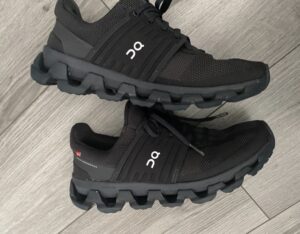
Alongside whatever medical treatment you land on, the basics still matter more than people expect for feet specifically — breathable, non-occlusive footwear and genuinely moisture-wicking socks make a real difference in how manageable everything else feels day to day. I’ve written full breakdowns of both if you want to go deeper: the best socks for sweaty feet and why feet sweat excessively in the first place.
Why the Same Treatment Doesn’t Work the Same Everywhere
A few patterns show up clearly once you look at all four body parts side by side. Iontophoresis works best on hands and feet specifically because those are the body parts that can actually be submerged in water — it’s simply not an option for underarms or the face by design. Aluminum chloride is the default starting point almost everywhere, but the concentration needed climbs the further you get from delicate skin — 20% for underarms, up to 30% for palms and soles, and often not tolerated at all on the face. And surgery is the clearest example of how differently the same procedure performs by site: genuinely effective and commonly used for palms, actively advised against for feet, and used cautiously for the face due to a higher risk of side effects elsewhere on the body.
Quick Answers About Hyperhidrosis Medications by Body Part
What’s the strongest hyperhidrosis treatment overall?
There isn’t one “strongest” option across every body part — miraDry offers the most permanent results but only for underarms, while iontophoresis is the clinical favorite for hands and feet specifically. The right answer depends entirely on which body part you’re treating.
Can I use the same antiperspirant on my hands, feet, and underarms?
You can, but the concentration that works on underarms (around 20% aluminum chloride) is often too weak for hands and feet, which frequently need concentrations up to 30% to see the same effect.
Is surgery ever recommended for sweaty feet?
No. Endoscopic thoracic sympathectomy (ETS) is specifically not recommended for plantar hyperhidrosis, even as a last resort, unlike palmar hyperhidrosis where it’s a genuine (if serious) option.
Is Botox used the same way on every body part?
The medication is the same, but the procedure differs a lot. It’s a relatively quick, well-tolerated injection pattern for underarms, more uncomfortable and often done with nerve blocks on hands, and can require up to 36 injection points to cover a single foot.
Conclusion
The most useful thing I’ve learned researching this is that “what’s the best hyperhidrosis treatment” is genuinely the wrong question — the better one is “what’s the best treatment for where I sweat.” Underarms have the most FDA-approved options and the most room to experiment; hands and feet respond best to iontophoresis before anything more invasive; and the face needs a gentler, more specialized approach than anywhere else on the body. None of this replaces an actual conversation with a dermatologist, especially once you’re looking at Botox, oral medications, or surgery — but knowing the real step-by-step order for your specific body part means you walk into that appointment already informed instead of starting from zero.
Sources referenced throughout this post include the International Hyperhidrosis Society’s clinical treatment guidelines (sweathelp.org), FDA prescribing information, and peer-reviewed clinical studies indexed on PubMed. This post is for informational purposes only and is not a substitute for professional medical advice, diagnosis, or treatment — always talk to a dermatologist before starting or changing any hyperhidrosis treatment.