Before I ever talked to a doctor about my hyperhidrosis, I spent years quietly testing every home remedy I came across. Some were a waste of time, a couple actually made a noticeable difference, and none of them fixed the problem completely — but I still think they’re worth knowing about, especially if you’re not ready for medical treatments yet or just want to take the edge off between them.
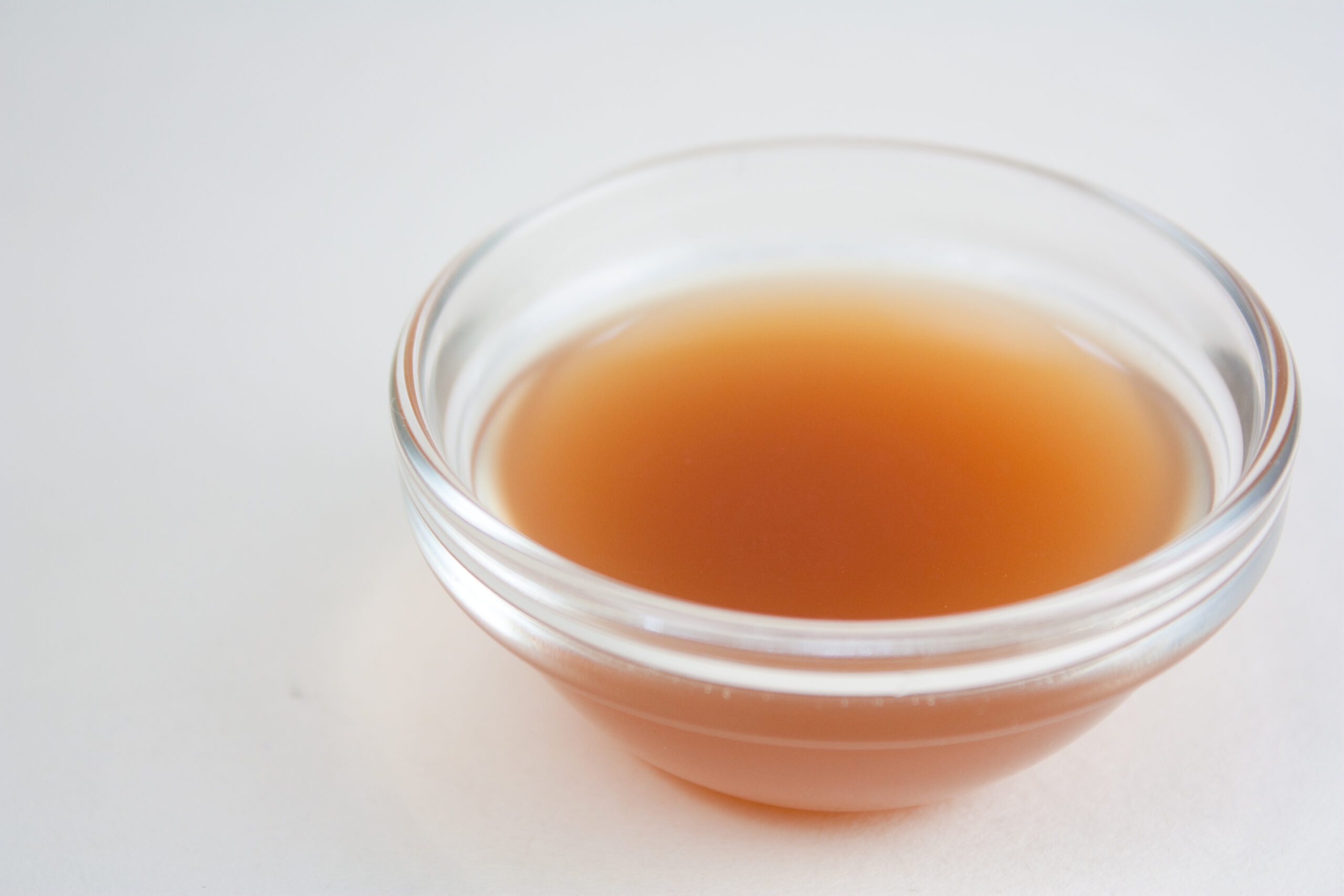
Apple Cider Vinegar
This was one of the first things I tried, both ways people recommend it: diluted and drunk in the morning, and dabbed directly onto my underarms with a cotton ball before bed. Drinking it did basically nothing I could point to. Applying it topically actually helped a bit — it seemed to keep odor down more than it reduced the actual sweating, which makes sense since vinegar is mildly antibacterial. I had to dilute it well because full-strength it stings and can irritate the skin.
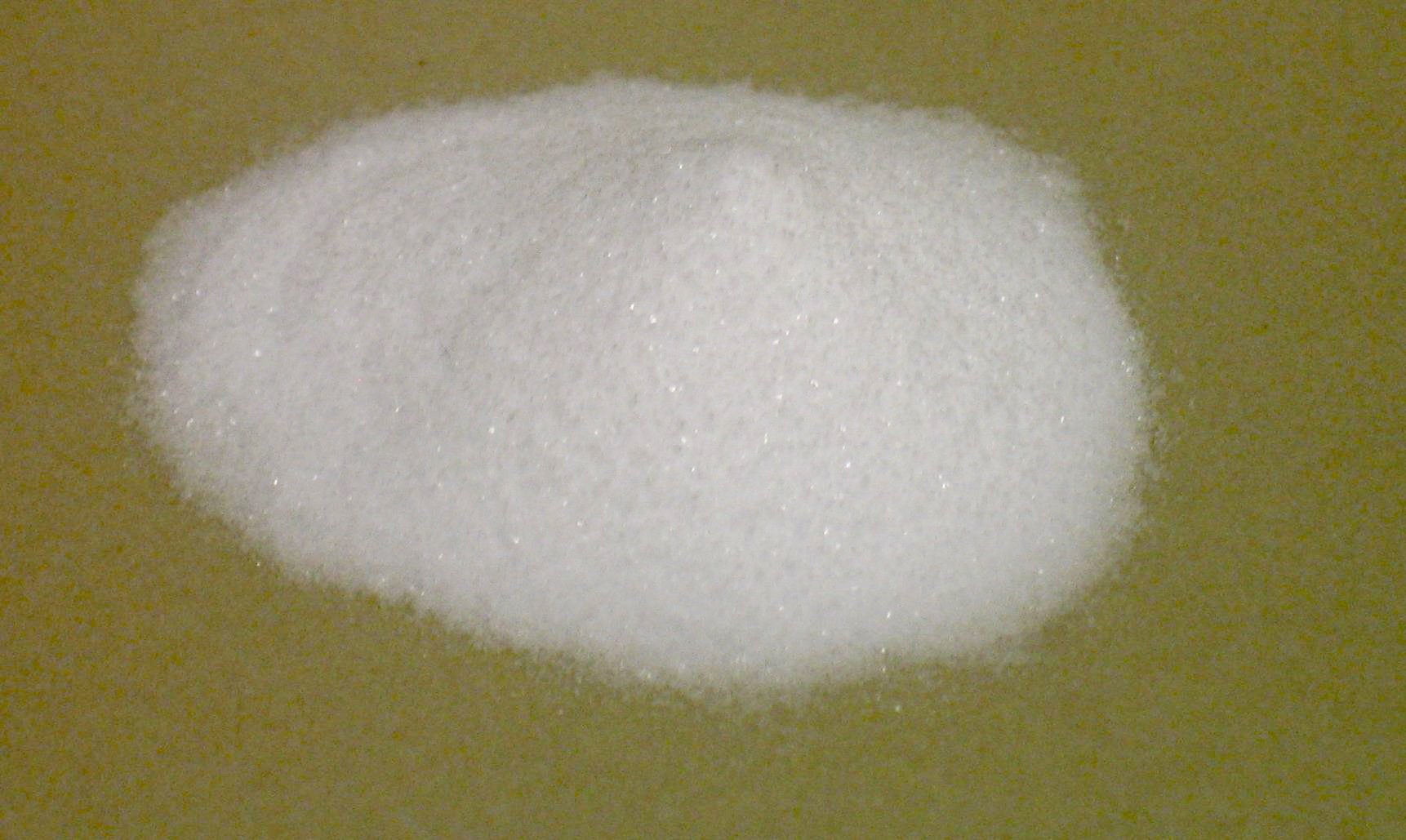
Baking Soda Paste
Baking soda mixed with a little water into a paste, applied to underarms and left for a few minutes before rinsing, was one of the more noticeable remedies. It’s mildly alkaline, which seems to interfere with the bacteria that cause sweat odor, and it also acts like a light natural deodorant. It didn’t stop me from sweating, but my underarms genuinely smelled better on the days I used it, and it held me over on days I didn’t want to use a stronger antiperspirant.
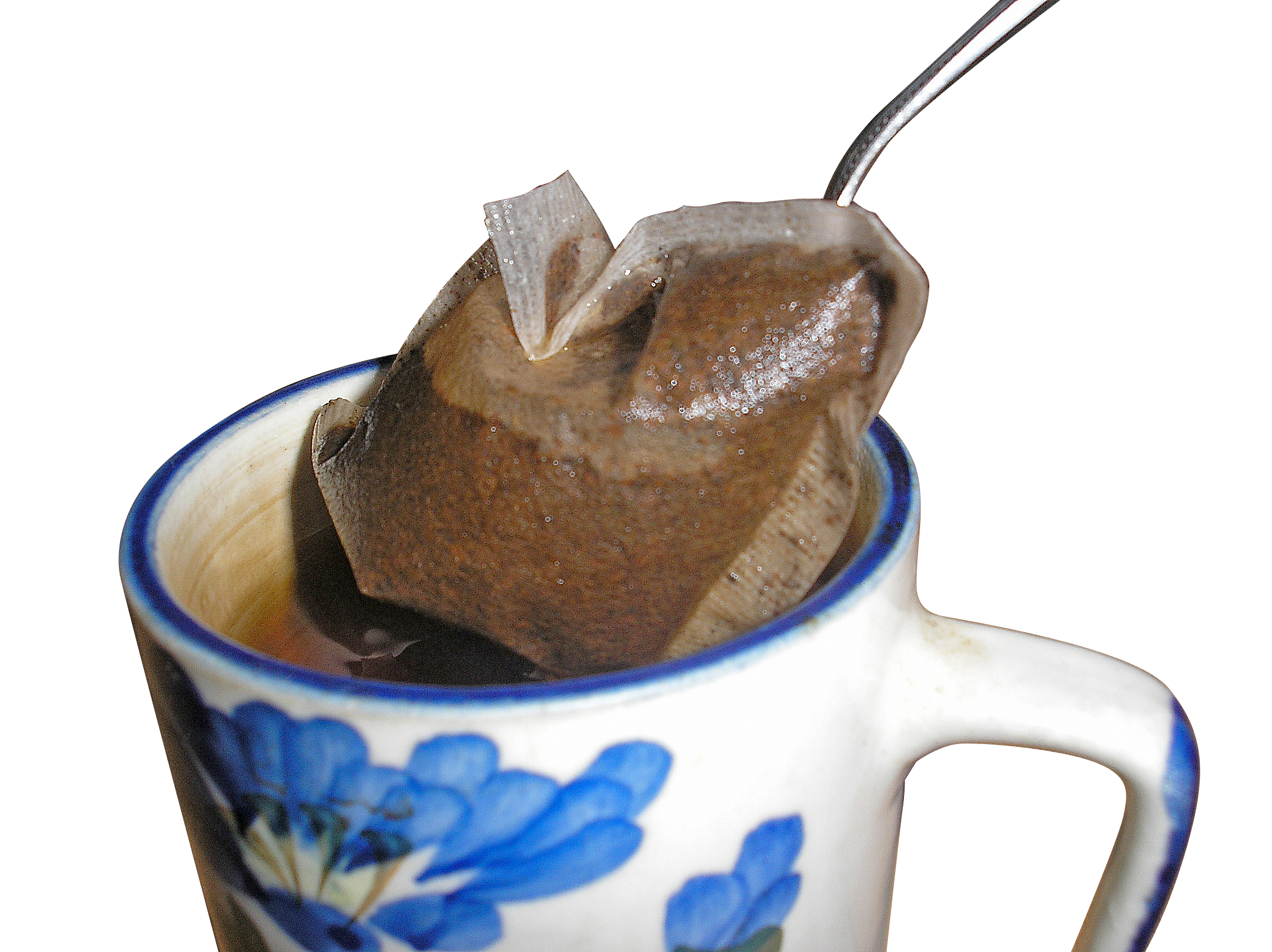
Black Tea Soaks
This one surprised me. Black tea contains tannic acid, which is genuinely used in some clinical astringent treatments, and soaking my hands and feet in strong, cooled black tea for 20-30 minutes a few times a week noticeably reduced how sweaty my palms and soles felt for a day or two afterward. It’s tedious to keep up with regularly, but out of everything on this list, it’s the one I’d say had the most measurable effect on actual sweat volume, not just odor.
Witch Hazel
Witch hazel is a natural astringent, so it makes sense it would tighten pores slightly and cut down on visible moisture. I used it on a cotton pad on my underarms and the back of my neck on hot days. It gave a cooling, slightly drying effect for an hour or two, but it wore off faster than baking soda or the tea soaks did. I’d call it a decent quick fix rather than something I relied on daily.

Sage Tea
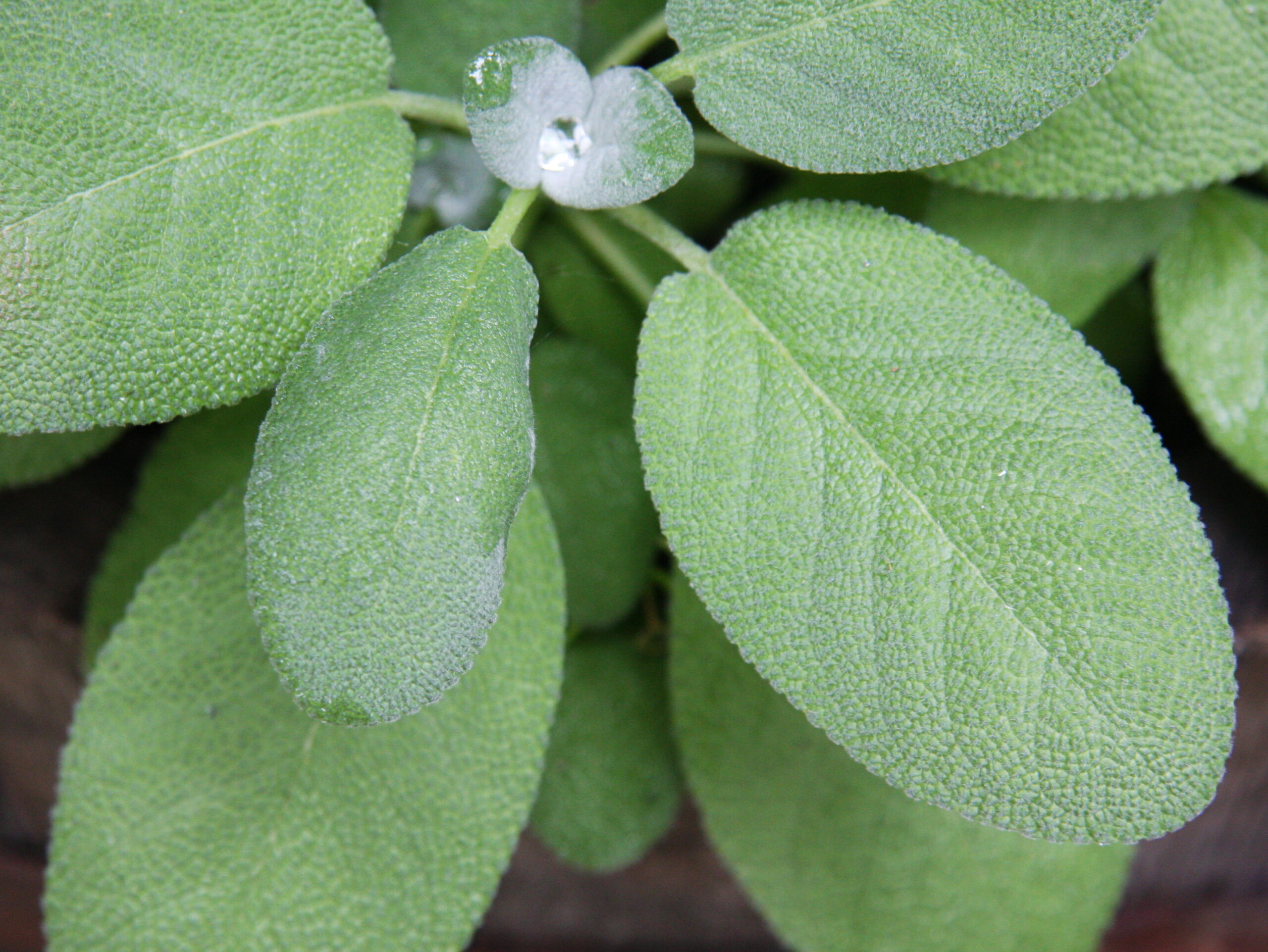
Sage has a long history as a remedy for excessive sweating, especially around menopause-related hot flashes, so I figured it was worth trying for hyperhidrosis too. I drank it cooled, a cup a day for a couple of weeks. I noticed a mild reduction in overall sweating, though it was subtle enough that I can’t say for certain it wasn’t partly coincidence. It’s low-risk and cheap to try, so I still keep it in the rotation.
What Actually Helped Most
If I’m honest, none of these remedies came close to what iontophoresis or clinical-strength antiperspirants eventually did for me. What home remedies are good for is taking the edge off on an average day, cutting down odor, and giving you something to try while you figure out whether you want to pursue a medical route. I still use the baking soda paste and tea soaks regularly — they’re cheap, low-risk, and genuinely help a little — but I stopped expecting them to be a fix.
Don’t Forget the Clothing — It Matters Just as Much
Honestly, switching up what I wore made as much of a difference as any remedy on this list, if not more. No home remedy will save you if you’re wearing tight, synthetic fabric that traps every drop of sweat against your skin. A few things that made a real difference for me:
- Switching to breathable, natural fabrics instead of synthetics that trap heat and moisture.
- Sweatproof undergarments for women — a game changer for hiding sweat marks on bad days.
- Sweatproof undershirts for men and sweatproof boxers, if that’s what you’re shopping for.
- Rethinking my everyday outfits in general — looser cuts, darker colors, and fabrics that actually let air through.
If you only take one thing from this post, let it be that: fix your clothing first, then layer home remedies on top. It’s the difference that actually shows up in the mirror.
This post reflects my own personal experience and isn’t a substitute for professional medical advice — what worked for me won’t necessarily work the same way for you, especially if your hyperhidrosis is more severe.