Most “sweaty feet” advice assumes you can just switch to breathable sneakers and call it solved. That doesn’t work if your job requires steel or composite toe protection, an 8-to-12 hour shift on your feet, and a boot rated for whatever your worksite throws at it. I hear from a lot of men in the trades who deal with plantar hyperhidrosis specifically because of this — work boots are, by design, some of the least breathable footwear you can wear, and you often don’t get to take them off until the shift ends. Safety-rated toe caps and thick protective uppers trap heat and moisture against the foot far more than a regular shoe does. This guide is built around that reality: real work boots that are actually breathable where the safety standard allows it, plus what to do about the sweat and odor that boots make worse no matter which pair you pick.
Why Work Boots Are a Bigger Problem If You Have Hyperhidrosis
Regular sweaty feet and plantar hyperhidrosis are not the same problem, and work boots make that gap worse. Plantar hyperhidrosis causes the sweat glands on the sole of the foot to produce sweat far beyond what’s needed for cooling. Layer that onto a boot environment and you get a few compounding issues normal footwear guides don’t address:
- Steel and composite toe caps don’t breathe. The safety-rated protective toe box is solid material by necessity, which means there’s no mesh or perforation possible in that whole section of the boot.
- You’re often stuck in them for a full shift. A sweaty sneaker you can air out on a lunch break; a lot of jobs don’t give you that option with boots, so sweat just accumulates for 8-12 hours straight.
- Boots take longer to dry between wears. Thicker leather and insulation hold onto moisture far longer than a mesh sneaker, so wearing the same pair two days in a row often means starting the day in a boot that’s still damp inside.
- Odor compounds faster. Warm, dark, damp, and enclosed for hours at a time is close to the ideal environment for the bacteria that cause foot odor and increase infection risk like athlete’s foot.

What to Look For in a Work Boot for Sweaty Feet
- A breathable waterproof membrane — technologies like KEEN.DRY or Storm Defender let vapor escape from the inside while still keeping water out from the outside, which matters more than people expect.
- Moisture-wicking lining — a lining built from wicking synthetic fabric moves sweat off the foot instead of just sitting there against the sock.
- Composite toe over steel toe when your jobsite allows it — composite toe caps are non-metallic and slightly less heat-conductive, so they don’t turn into a heat sink against your foot the way steel can.
- A removable insole — being able to pull the insole out to air-dry overnight is one of the single most effective habits for boots specifically, and you can’t do it if the insole is glued in.
- A roomier, true-to-size fit — a cramped toe box traps more heat against the skin, same as with sneakers, just worse because there’s nowhere for that heat to go in a safety-toe boot.
Best Work Boots for Sweaty Feet (Men’s)
1. Skechers Cankton Steel Toe
Best Value / Most Breathable

This isn’t a traditional boot — it’s a sneaker-style safety shoe, which is exactly why it made the list. The steel toe meets ASTM F2413 impact and compression standards, but the rest of the upper is duraleather with genuine mesh underlay panels, so it breathes far better than most work footwear. Memory foam insole, over 27,000 ratings at 4.3 stars, and the #1 best seller in men’s work shoes on Amazon — if your jobsite allows a low-profile safety shoe instead of a full boot, start here.
2. Timberland PRO Powertrain Sport
Best Moisture-Wicking Lining

Another athletic-style safety shoe rather than a tall boot, and one built specifically around moisture management: the lining is made from ReBOTL fabric that actively wicks sweat rather than just sitting there. Anti-Fatigue Technology cushioning helps with the standing-all-day part, and the alloy safety toe keeps the weight down compared to steel. Over 2,300 ratings at 4.5 stars.
3. KEEN Utility Chicago 6″ Composite Toe
Best Waterproof-Breathable Membrane

This is the pick if you need an actual 6″ boot rather than a low-profile shoe. KEEN.DRY is a genuine waterproof-breathable membrane — it lets built-up sweat vapor escape from inside the boot while still keeping outside water from getting in, which is a real technical distinction from boots that are just “waterproof” and seal moisture in both directions. The composite toe is roughly 15% lighter than steel and won’t conduct cold or heat against your foot the same way. Removable insole included.
4. Ariat Groundbreaker Pull-On
Best Pull-On / Easy On-Off

Pull-on boots being able to come off fast matters more than it sounds like once sweat is part of the equation — the easier it is to get a boot off, the more likely you actually will between tasks to let your foot air out for even a few minutes. This one has a mesh lining rather than solid leather throughout, a cushioned ATS footbed, and a wide, roomy toe box that doesn’t crowd the foot. Nearly 4,000 ratings at 4.4 stars.
5. Carhartt Rugged Flex 8″ Insulated Waterproof
Best for Cold, Wet Conditions

Cold-weather insulated boots are the hardest category for sweaty feet, since insulation and breathability pull in opposite directions. Carhartt’s Storm Defender membrane is their answer to that trade-off — waterproof and breathable, same underlying idea as KEEN.DRY, paired with 400g 3M Thinsulate for genuinely cold jobsites. It’s not going to feel as airy as the shoes above, but it’s the most breathable option I found in the insulated category specifically. Over 900 ratings at 4.5 stars.
Socks Made for Hyperhidrosis, Not Just “Moisture-Wicking”
A standard athletic wicking sock helps, but it was designed for someone who sweats during a workout, not someone whose feet produce excess sweat for a full shift regardless of activity level. I’ve written a full breakdown of the best socks for sweaty feet in general, but for boots specifically, these two are worth calling out because they’re built around heavier, more constant sweating rather than just workout moisture.
SWEAT GUARD® Silver Socks
Real silver fiber woven into the sock inhibits the growth of odor-causing bacteria, and unlike most “moisture-wicking” socks that are really marketed at runners, this one is marketed directly for excessive foot sweating and hyperhidrosis. It’s the sock I’d start with if you haven’t tried anything HH-specific yet.
Kodal Copper-Infused Crew Socks

Copper ions built into the fiber work similarly to silver — they create an environment that’s hostile to the bacteria that cause odor, and copper has the added benefit of being naturally antimicrobial on top of that. These come in a 5-pack, which matters more than it sounds like for boots specifically, since rotating socks daily is one of the better habits for keeping a boot’s interior from staying constantly damp. Over 2,900 ratings at 4.5 stars.
How to Reduce Sweat and Odor in Your Boots
No boot on its own fully solves this — the boot is half the equation, and what you do around it is the other half. These are the habits and products that actually move the needle, roughly in order of how much difference they make.
Rotate Two Pairs, Never Wear the Same Boots Two Days Straight
This is the single biggest habit change if you can manage it. A work boot can take 24 to 48 hours to fully dry out on the inside after a heavy-sweat shift. If you only own one pair, you’re putting your foot into a boot that’s still damp from yesterday, which is exactly the environment odor-causing bacteria and fungus need. Owning two pairs and alternating them daily fixes this without requiring anything else.
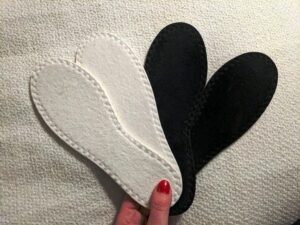
Pull the Insoles Out Every Night
If your boots have a removable insole, pull it out at the end of every shift and let both the insole and the boot itself air out separately overnight. A huge amount of the trapped moisture in a boot lives in the insole specifically, and it dries dramatically faster outside the boot than inside it.
Use a Boot Dryer on Heavy-Sweat Days

An electric boot dryer speeds up exactly what rotating pairs and pulling insoles are trying to accomplish, and it’s worth it if you’re dealing with heavier sweating than average. The KOODER Boot Dryer uses low, safe heat to dry the inside of the boot overnight and noticeably cuts down on odor buildup at the same time, not just the dampness.
Cedar Shoe Trees Between Wears

Cedar naturally absorbs residual moisture and odor while holding the boot’s shape, which matters for leather boots specifically since damp leather that dries collapsed can crease and crack faster. The FootFitter Men’s Cedar Boot Trees are adjustable to fit boot sizes specifically, not just dress shoes. It’s a slower fix than a boot dryer, but a good one to run in parallel on your off-rotation pair.
Foot Antiperspirant, Applied at Night
This is the step that addresses the actual sweat production rather than just managing the moisture after the fact, and it’s the one most people skip. Foot antiperspirants work the same way underarm antiperspirant does — by temporarily blocking the sweat ducts — but they need to be applied to clean, dry feet before bed, not in the morning before your shift. That timing matters: applying at night gives the active ingredient hours to actually work while your feet aren’t sweating, instead of trying to fight sweat that’s already happening.

Certain Dri Antiperspirant Foot Lotion is the easiest drugstore-level option — clinically shown to reduce sweat, quick-drying, and fragrance-free.

Carpe Sweat Absorbing Foot Lotion is built specifically with hyperhidrosis in mind, dermatologist-recommended, and a step up in strength from a standard drugstore antiperspirant.
Foot Powder Inside the Boot, Not Just on the Foot

A talc-free foot powder like Certain Dri Foot Powder does two jobs at once: it absorbs sweat during the day, and shaking a little directly into the boot itself (not just on your foot) helps absorb residual moisture and odor between wears. The calamine in this one also helps with the friction and irritation that comes from a sweaty foot moving around inside a boot all day.
When Boots and Products Aren’t Enough
If you’ve rotated boots, switched socks, and used antiperspirant consistently and you’re still dealing with soaked feet by mid-shift, that’s a sign the problem is bigger than footwear can fix on its own. Iontophoresis is a non-invasive treatment that uses a mild electrical current in water to temporarily reduce sweat gland activity in the feet, and it’s worth reading about if you’re at this point. There are also prescription-strength options and procedures — I’ve compared Brella, Botox, Sofdra, and iontophoresis directly if you want to see how they stack up. And if you haven’t gone through general causes yet, my breakdown of why feet sweat excessively and home remedies that actually helped me are both good next steps.
Quick Answers About Work Boots for Sweaty Feet
Are steel toe or composite toe boots better for sweaty feet?
Composite toe is generally the better choice if your jobsite allows it — it’s lighter and doesn’t conduct heat and cold against the foot the way steel does, though neither one is breathable since both are solid safety material.
How often should I replace the insoles in my work boots?
Every 3 to 6 months if you sweat heavily, since insoles absorb the most moisture and lose their odor-control properties well before the boot itself wears out.
Should I apply antiperspirant to my feet in the morning or at night?
At night, on clean, dry feet. Antiperspirants need time to work before sweating starts, so applying one right before a shift is much less effective than applying it before bed.
Do boot dryers actually help with odor, or just moisture?
Both. Odor-causing bacteria need moisture to thrive, so drying the inside of the boot fully overnight removes the environment they need, not just the dampness itself.
Conclusion
Work boots will probably always be harder on sweaty feet than any other category of footwear — the safety requirements alone rule out a lot of the tricks that work for sneakers. But the combination of a genuinely breathable boot, socks actually built for hyperhidrosis rather than just athletic wicking, and a consistent nightly routine with antiperspirant and drying makes a real difference over weeks, not just on any single shift. Start with rotating two pairs and pulling your insoles out nightly if you do nothing else on this list — it’s free, and it’s the habit that compounds the most.
This post reflects my own research into hyperhidrosis and product construction, cross-checked against real specs, ratings, and what other hyperhidrosis sufferers report using. As an Amazon Associate I earn from qualifying purchases.