
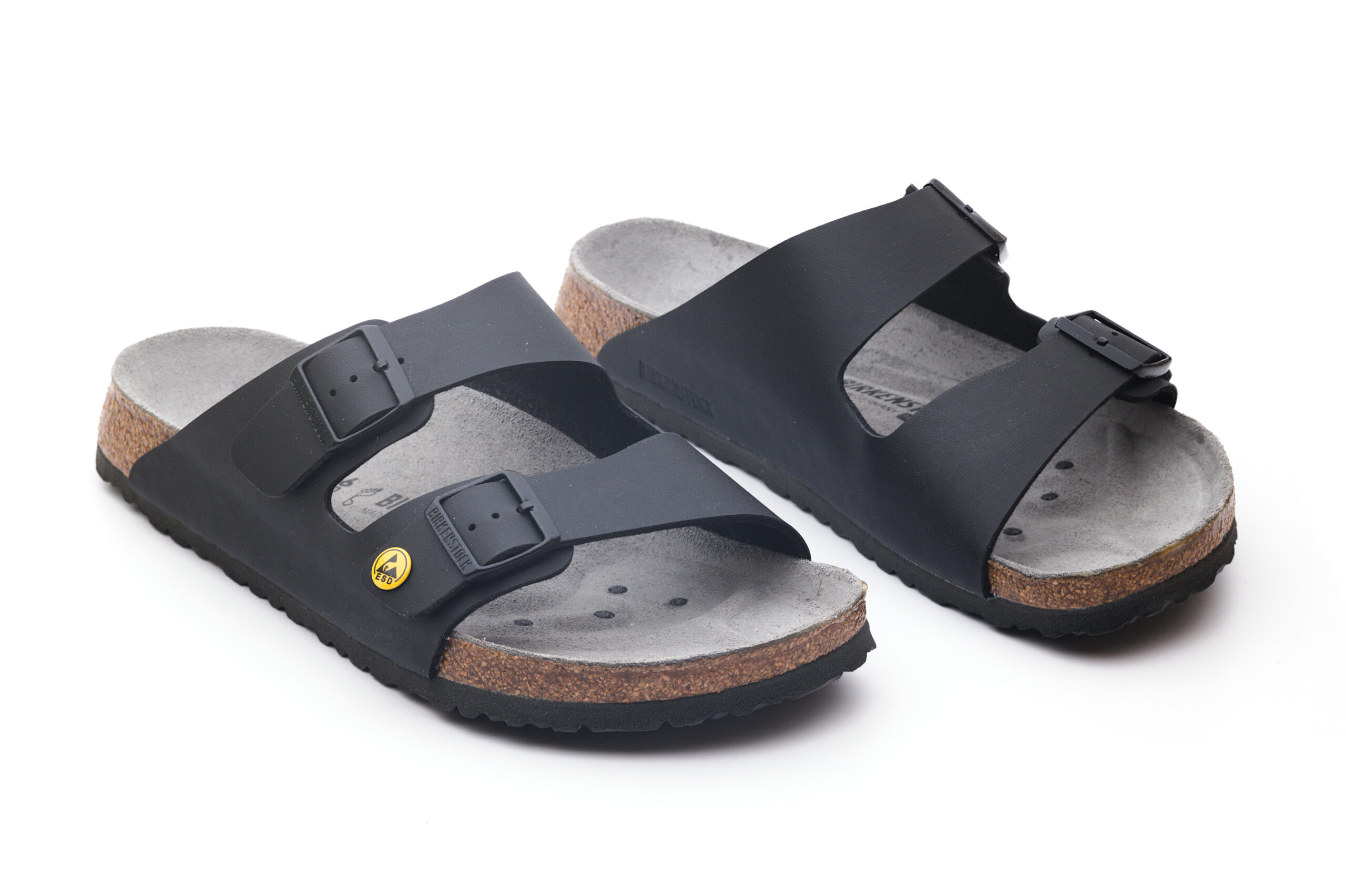
If you deal with sweaty feet and wear cork-footbed sandals like Birkenstocks, you already know the footbed gets dark, grimy, and a little funky way faster than it should. Cork is a porous, natural material that absorbs sweat and odor instead of repelling it, which is exactly why it gets dirty faster on sweaty feet than on dry ones. The good news is that cork footbeds are genuinely easy to clean and restore if you do it the right way — and just as easy to ruin if you don’t. Here’s the full, correct process.
Why I Actually Love Cork and Suede Sandals for Hyperhidrosis
Before I get into cleaning, I want to make the case for why these sandals are worth the extra upkeep in the first place, not just something I put up with because they look good. Suede’s textured surface grips better than smooth leather when your feet are sweaty, which is exactly why I only wear suede-topped sandals instead of smooth leather or plastic ones. I learned this the hard way after slipping around inside a pair of glossy leather sandals on a hot day — sweat-slicked smooth leather has almost no traction, and it’s genuinely a little unsafe, not just annoying. Suede holds onto your foot even when it’s damp, which matters a lot more once you sweat as much as I do.
Beyond the grip, cork molds to the shape of your foot over time, which creates a more personalized, breathable fit than a rigid synthetic footbed does. Combined with how open most of these sandal styles are, my feet actually get real airflow throughout the day instead of sitting sealed inside a shoe. Yes, that means more upkeep — which is exactly why the rest of this post exists — but for me, trading a little extra cleaning for a sandal that actually works with sweaty feet instead of against them has been an easy call. If you deal with hyperhidrosis in your feet and have written off cork sandals because they seem high-maintenance, I’d genuinely encourage giving suede-topped ones a try before ruling them out.
Why Cork Footbeds Get Dirty and Smelly So Fast
Sweat soaks into cork because cork is porous, and trapped sweat is what bacteria feed on to produce odor. That dark discoloration you see on a well-worn cork footbed isn’t just dirt — it’s a mix of sweat, oil from your skin, and dust that’s worked its way into the material over time. The suede or fabric top layer most cork footbeds have makes this worse, since it grips onto sweat and skin cells even more than bare cork would. If you deal with excessive foot sweat, this process just happens faster for you than it does for the average person, which is exactly why regular cleaning matters more.
What You’ll Need
- A soft-bristled brush (an old toothbrush works fine)
- A mild, unscented soap (saddle soap or a gentle dish soap both work)
- A clean, slightly damp cloth
- Baking soda
- A cork sealer, leather conditioner, or beeswax (optional, for the final step)
How to Clean Cork Footbed Sandals, Step by Step
1. Brush Off Loose Dirt First
Dry brushing removes loose dirt and dust before you introduce any moisture, which prevents you from grinding grit deeper into the cork. Use the soft brush in small circular motions across the whole footbed, paying extra attention to the areas under your heel and toes where sweat concentrates most.
2. Spot Clean With Mild Soap and a Damp Cloth
A barely damp cloth with a small amount of mild soap lifts sweat and oil out of cork without saturating it. Dampen your cloth, add a small amount of soap, and gently work it into the footbed in circular motions. The goal is damp, not wet — you should never see standing water on the surface. Wipe away the soap residue with a second clean, damp cloth afterward.
3. Deodorize With Baking Soda
Baking soda neutralizes odor in cork by absorbing the moisture and acids that odor-causing bacteria need to survive. Once the footbed is dry from step 2, sprinkle a light, even layer of baking soda over it and let it sit overnight. Shake or brush off the excess in the morning. I’ve written more about baking soda as a general sweat and odor remedy in my home remedies for hyperhidrosis post if you want to see other places it helps.
4. Dry Them the Right Way
Cork cracks when it dries too quickly, so sandals should always air dry slowly at room temperature, away from direct heat. Leave them somewhere with good airflow, out of direct sunlight and away from radiators, heating vents, or a hairdryer. This step alone is where most people accidentally damage their cork footbeds — rushing the drying process is the number one cause of cracked cork.
5. Condition or Seal the Cork (Optional but Recommended)
Cork sealer or a light leather conditioner replaces the natural oils that washing strips out, which keeps the material flexible instead of brittle. Once your sandals are fully dry, apply a thin layer with a soft cloth and let it absorb. You don’t need to do this every time you clean them — every few months is usually enough unless you’re cleaning very frequently because of heavy sweating.
Tricks Real Birkenstock Owners Swear By
Beyond the standard cleaning steps, a few tricks come up constantly among people who actually wear cork sandals every day:
- The pencil eraser trick. A clean pencil eraser (or a dedicated suede eraser, which works even better) lifts scuffs and the dark toe/heel impressions that build up on a footbed. Rub it directly over the mark until it crumbles, then brush the crumbs away — it looks messy mid-process, but that’s the eraser actually pulling the grime out of the material.
- A baking soda paste instead of a dry sprinkle. Mixing baking soda with just enough water to form a paste, rubbing it in, and gently scrubbing with an old toothbrush lifts more embedded grime than sprinkling dry powder on top. Rinse with a barely damp cloth afterward and let it dry fully before wearing them again.
- Magic erasers are fine on the rubber sole, not the footbed. A lot of people reach for a magic eraser on the whole sandal, but it’s genuinely too abrasive for the suede or cork top layer and can leave behind micro-plastic residue. Save it for scuffs on the rubber outsole only.
What Not to Do When Cleaning Cork Sandals
- Don’t submerge them in water. Cork absorbs water just as readily as it absorbs sweat, and full saturation is what causes it to warp and separate from the sole.
- Don’t put them in the washing machine. The combination of water, agitation, and heat is close to guaranteed to crack or delaminate the cork.
- Don’t use a hairdryer or direct heat to speed up drying. Fast drying is what causes cork to crack, even if the cleaning itself was done correctly.
- Don’t use harsh chemicals or bleach. These strip the natural oils out of cork and leather, making the footbed brittle and more likely to crack.
How Often Should You Clean Cork Sandals?
Sandals worn daily by someone with sweaty feet benefit from a light clean every one to two weeks, with a deeper clean monthly. If you only wear them occasionally, cleaning every few months is usually enough. The brushing step (step 1) can happen anytime dirt builds up — it’s the deeper soap cleaning and conditioning you want to space out.
Preventing Sweat and Odor Buildup in the First Place
Cleaning fixes the problem after it happens, but a few habits cut down on how often you need to do it. Wearing moisture-wicking socks with closed styles, using a foot powder before putting sandals on, and rotating between two pairs so each one gets a full day to dry out all reduce how much sweat actually reaches the cork. If sandals are a regular part of your rotation, I’ve also covered comfortable wedge sandals for sweaty feet and sandals for sweaty feet more broadly, general tips on how to stop sweaty feet from ruining your shoes, and the most breathable sneakers for sweaty feet for days you want a closed shoe instead. Leather, suede, and cork are all breathable natural materials, which is a big part of why they’re worth the extra care compared to synthetic footwear.
Quick Answers About Cleaning Cork Sandals
Can you get cork sandals wet?
Cork sandals can handle light dampness during cleaning, but full submersion causes the cork to warp and separate from the sole.
Does baking soda remove odor from cork footbeds?
Yes, baking soda removes odor from cork by absorbing the moisture and acids that odor-causing bacteria need to survive.
Why do cork sandals crack?
Cork sandals crack most often because they were dried too quickly with direct heat instead of air drying slowly at room temperature.
How often should you clean Birkenstock-style cork sandals?
Sandals worn daily benefit from a light clean every one to two weeks, with a deeper clean and conditioning about once a month.
Do sweaty feet ruin cork footbeds faster?
Yes, sweaty feet cause cork footbeds to darken and smell faster because cork is porous and absorbs sweat directly into the material.
This post reflects my own personal experience caring for cork-footbed sandals — always check your specific sandal brand’s care instructions too, since materials can vary slightly between brands.