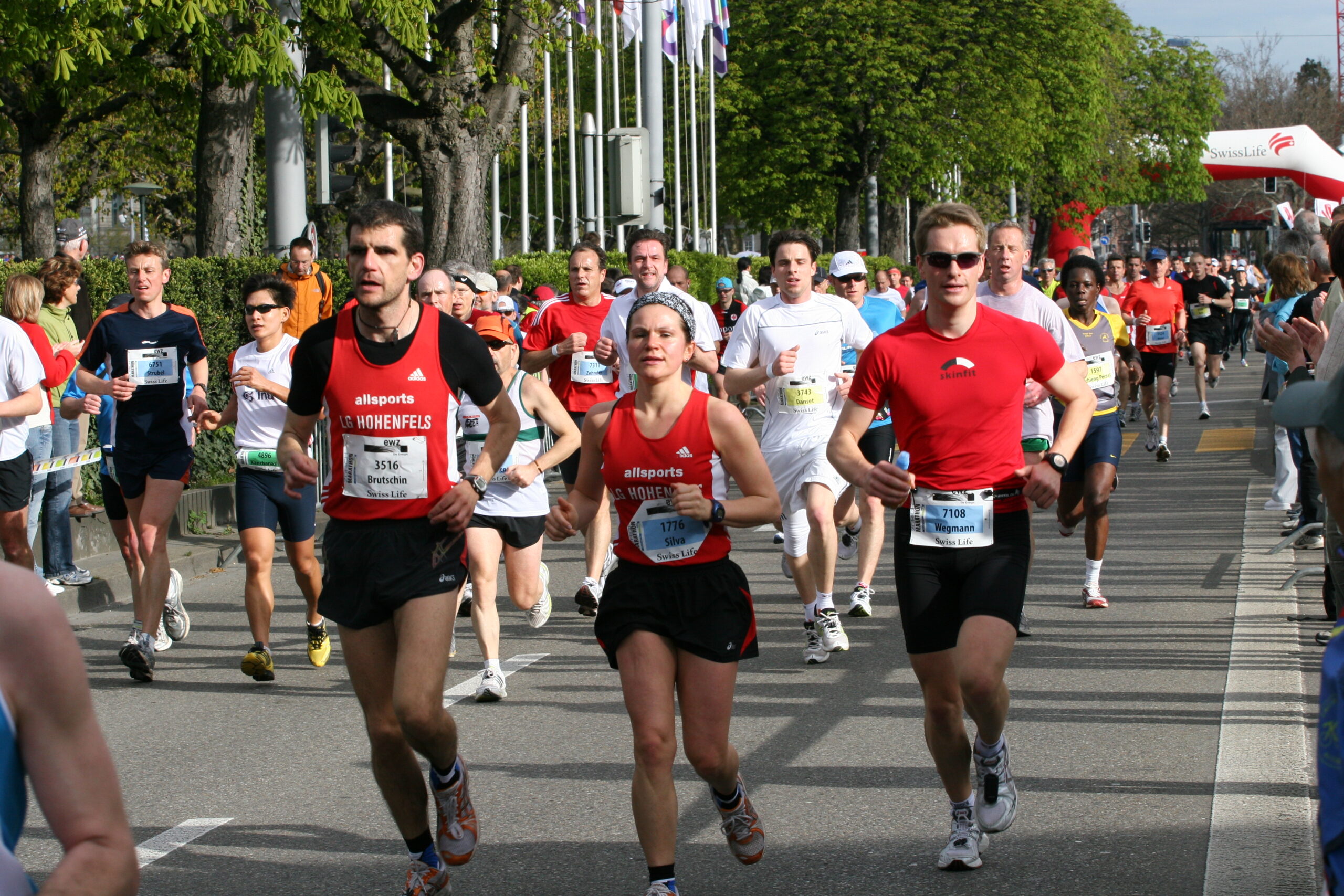
Active, sweaty people need a different answer to “what underwear should I wear” than someone who just sits at a desk all day. I learned this the hard way after years of picking underwear based on what felt soft in the store, not what actually happened to it an hour into a workout or a hot commute. The right fabric moves sweat away from your skin instead of trapping it there, which is the single biggest factor in staying comfortable when you’re active and sweat heavily.
Moisture-Wicking Synthetic Blends
Moisture-wicking fabric pulls sweat away from your skin and spreads it across the surface to evaporate faster. Polyester, nylon, and spandex blends are built for exactly this, which is why most athletic and performance underwear uses them instead of pure cotton. I’ve written about the mechanics of this in more detail in moisture-wicking vs. moisture-absorbing fabrics, but for active use specifically, wicking blends are what keep you from feeling like you’re sitting in a wet sponge mid-workout.
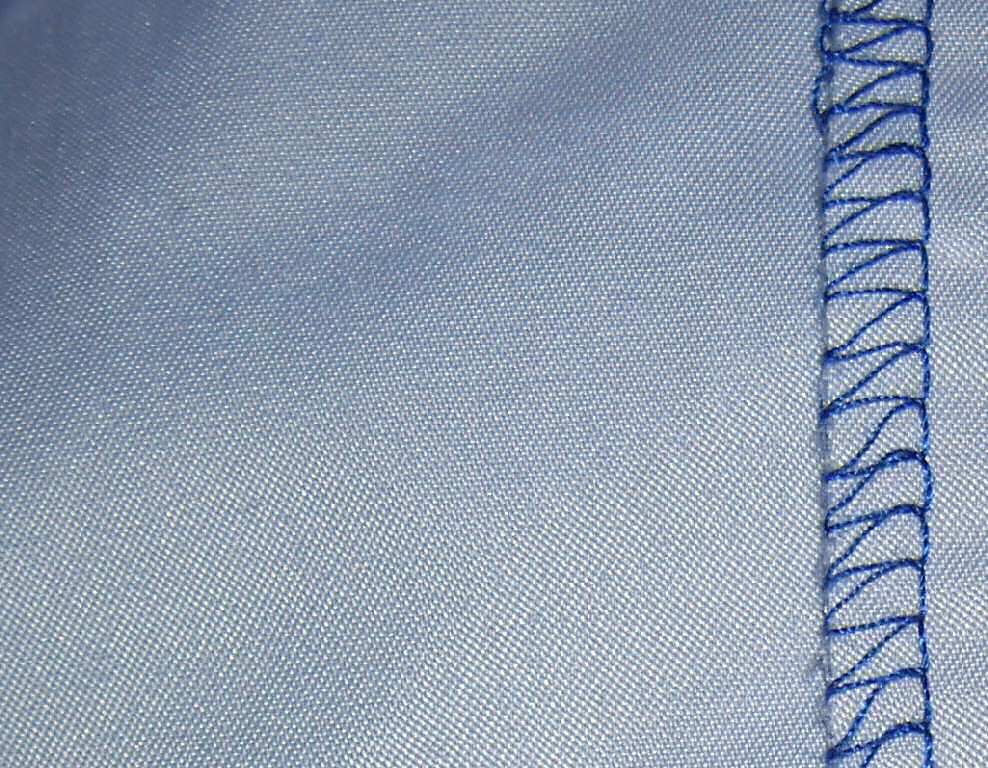
100% Cotton
Cotton absorbs sweat instead of moving it away from your skin, which makes it hold onto moisture during activity. For low-intensity days, that’s fine — cotton is soft, breathable, and cheap. But once you’re actually sweating heavily, cotton gets heavy, stays damp long after you’ve stopped moving, and can lead to more chafing since wet fabric drags against your skin more than dry fabric does. I still keep cotton in my everyday rotation, I just don’t reach for it before a workout anymore.

Bamboo and Modal Blends
Bamboo rayon and modal fabrics wick moisture while staying softer than most synthetic blends. This is the fabric I reach for most on days that are active but not full workout-intensity — travel days, long errands, humid weather. It’s a genuine middle ground between the softness of cotton and the performance of a full synthetic wicking blend, though it tends to need a gentler wash cycle.
Merino Wool
Merino wool naturally resists odor-causing bacteria and regulates temperature in both hot and cold conditions. It’s an underrated option for underwear specifically because it manages sweat and smell at the same time, which most other fabrics only do one or the other. I went into more depth on this in my breakdown of the best shirt material to avoid sweating — the same logic applies to underwear.
When Wicking Fabric Isn’t Enough: Barrier-Style Underwear
Barrier-style sweatproof underwear uses an absorbent layer plus a waterproof panel to block sweat instead of just wicking it. If you deal with heavier sweating — groin sweat, butt sweat, or just sweating through everything else on this list — this is the category that actually solves it rather than managing it. Brands like Ejis, SUTRAN Technology, and Kleinerts build this technology directly into boxer briefs, and I’ve tested and ranked all of them in my roundup of the best sweatproof underwear brands for men, which goes into the specific fabrics, prices, and what each brand does differently.
What Actually Matters for Active, Sweaty People
- Fit — too tight traps heat and increases sweating; too loose increases friction and chafing during movement.
- Flat seams — raised seams rub and chafe more the sweatier and more active you get.
- Breathable panels — mesh or ventilated construction in the areas that sweat most matters as much as the base fabric.
- Quick-dry over absorbent — for actual activity, a fabric that dries fast beats one that just soaks up more sweat before it’s saturated.
If you’re specifically dressing for a workout rather than just an active day, I’ve also put together a full breakdown of what to wear to the gym if you sweat a lot, which covers tops, bottoms, and grip chalk for sweaty palms too.
Quick Answers About Underwear for Active, Sweaty People
Is cotton or moisture-wicking underwear better for sweating?
Moisture-wicking underwear is better for active sweating because it moves sweat away from your skin, while cotton absorbs and holds onto it.
Does 100% cotton underwear cause chafing?
Cotton can increase chafing during activity because wet fabric drags against skin more than dry, quick-drying fabric does.
What’s the best fabric for men’s underwear if you sweat a lot?
Moisture-wicking synthetic blends work best for regular activity, while barrier-style fabric with a waterproof panel works best for heavier sweating.
Do sweatproof underwear brands actually block sweat?
Yes, brands like Ejis, SUTRAN Technology, and Kleinerts use a sewn-in waterproof panel that blocks sweat instead of just absorbing or wicking it.
This post reflects my own personal experience testing different fabrics during regular activity and workouts — what works best will depend on how much you personally sweat and how intense your activity is.