The gym might be the single hardest place to deal with hyperhidrosis. You’re already sweating more than most people just standing still, and then you add heat, intensity, mirrors on every wall, and a room full of other people. I avoided group classes and crowded gym floors for years because of exactly this — not because I couldn’t handle the workout, but because I couldn’t handle how visibly soaked I’d be ten minutes in. What you wear there matters more than almost anywhere else, and it’s not just about looking good — it’s about fabric, construction, color, and a few functional details most gym-wear guides never mention. Here’s everything I’ve learned about dressing for the gym when you sweat heavily, from the shirt on your back to the chalk on your hands.
This isn’t just a materials list, either. Fashion and function both matter here: you still want to look and feel like yourself at the gym, not like you’re wearing a hazmat suit to hide a problem. The goal is finding clothing and small tools that handle the sweat without making you feel like you have to dress differently from everyone else around you.
Start With the Fabric: Why Moisture-Wicking Matters
Cotton is the worst thing you can wear to workout in if you sweat a lot. It absorbs moisture and holds onto it, which means it gets heavy, clings to your skin, and stays wet long after you’ve stopped sweating. Moisture-wicking synthetic fabrics — polyester and nylon blends, usually with a bit of spandex for stretch — work completely differently: they pull sweat away from your skin and spread it across the fabric surface so it evaporates instead of pooling. I’ve written a full breakdown of exactly how this works in moisture-wicking vs. moisture-absorbing fabrics, but the short version for gym wear is: if the tag doesn’t mention moisture-wicking, quick-dry, or a specific technology name, assume it’s going to work against you.
Tops: What Actually Holds Up
For men, a straightforward moisture-wicking tee is still the most reliable option for mild-to-moderate sweating. I’ve had good results with the Under Armour Tech 2.0 Short-Sleeve T-Shirt — it’s 100% polyester, dries fast, and doesn’t cling the way a cotton tee does once you’re a few minutes into a workout.
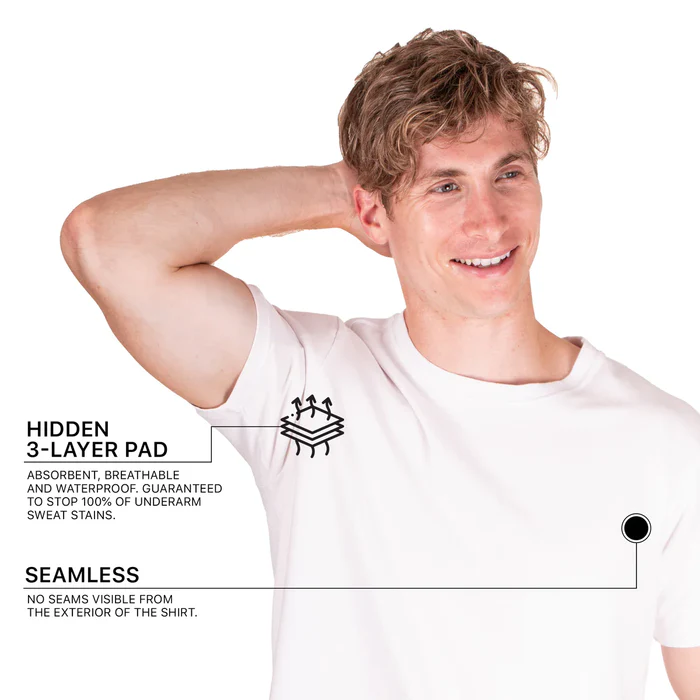
If wicking alone isn’t enough and you want a shirt that actually blocks sweat rather than just drying faster, the Sweat Proof Crewneck T-Shirt by Social Citizen is worth a look too. It’s a Canadian brand (as seen on Dragons’ Den) with sweat-proof pads sewn discreetly into the underarms of an otherwise normal-looking cotton/spandex tee — it works as a standalone gym shirt or as an undershirt, and I’ve covered it in more detail in my sweatproof undershirts for men roundup.
For women, look for the same wicking properties in a tank or fitted tee rather than a loose cotton one. The CRZ YOGA Seamless Racerback Tank Top is breathable and wicks well, and the racerback cut gives your shoulders and upper back more airflow than a regular tank.
If you need more than wicking, the Thompson Tee Women’s Hydro-Shield® Undershirt is my top pick for actually blocking underarm sweat rather than just drying faster — it uses Thompson Tee’s patented sweat-proof layer built into the underarms, available in crew neck or V-neck. It’s the #1 pick in my sweatproof undergarments for women roundup, and it works well worn under a gym tank or on its own for lower-intensity sessions.
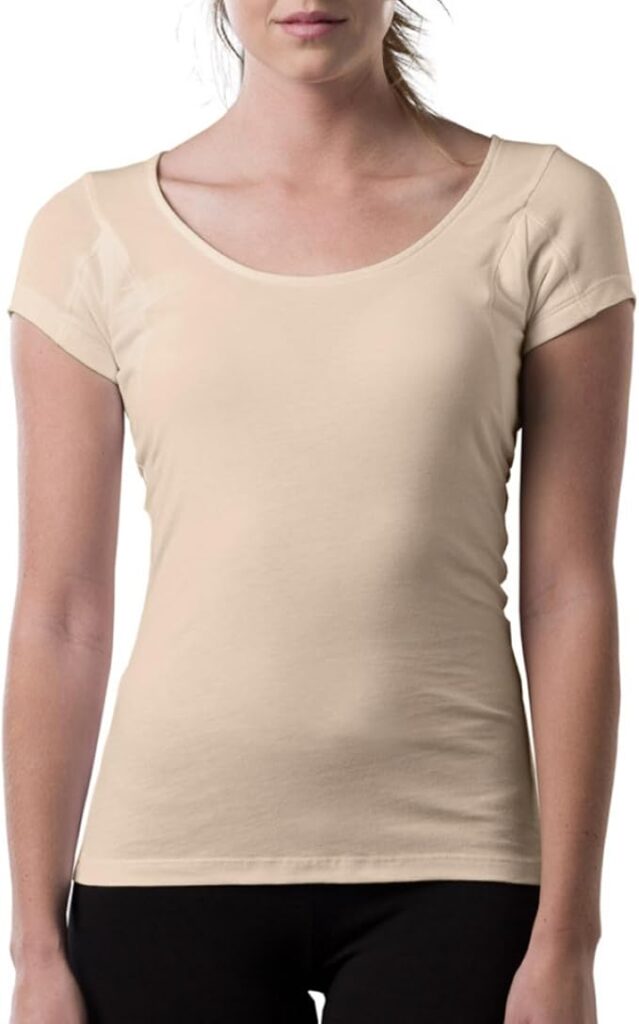
Whichever you pick, check the construction, not just the fabric. Underarm gussets, mesh side panels, and a slightly looser cut all increase airflow, and airflow is what actually slows down how fast you overheat and start sweating in the first place. A tight, low-airflow cut in a great fabric can still leave you drenched faster than a looser cut in an average one.
Layering Before and After Your Workout
Don’t overlook what you’re wearing to and from the gym, not just during your workout. Arriving in a heavy cotton hoodie means you’re already damp before you’ve touched a single weight, since cotton traps body heat instead of letting it escape. I switch into my workout top as close to when I actually start exercising as possible, and I keep a looser, breathable layer (not cotton) for the walk in and out. It sounds like a small thing, but starting your workout already a little sweaty from your commute or your warm-up layer makes everything that follows worse.
What About Compression Gear?
Compression shirts and leggings get marketed heavily for “muscle support,” but there’s a sweat angle worth knowing too. Tighter compression fabric holds the fabric closer to your skin, which can help wick moisture faster since there’s less air gap for sweat to sit in — but it also traps heat against your body more than a looser fit does. In my experience, compression gear works better for shorter, high-intensity sessions where quick wicking matters most, and looser wicking fabric works better for longer sessions where airflow and heat management matter more. Neither one is a fix on its own — it’s a trade-off depending on what kind of workout you’re doing.
Bottoms: Don’t Forget This Is a Problem Area Too
Shorts and leggings need the same wicking treatment as tops, but bottoms have their own specific issue: groin and inner-thigh sweat, which most gym-wear guides never mention. I’ve written a full post on why groin and bum sweating happens and what helps, and the short version for gym wear is that moisture-wicking, looser-cut shorts do a lot better here than tight compression fabric that traps heat right where you don’t want it. The Nike Dri-FIT Brief-Lined Running Shorts are a solid pick here — the built-in liner keeps things comfortable without adding a second layer of trapped heat.
Colors and Patterns: Hiding Sweat at the Gym
Gym mirrors are brutal for visible sweat, and group classes put you in a room full of people facing the same direction as you for an hour. The same rules I’ve written about in how to hide sweat stains apply here, maybe more than anywhere else: black and dark gray hide sweat marks best, pastels and bright solids show them worst, and a busy pattern with black or white mixed in gives you a way to wear color without the sweat showing through. If your gym has a dress code or you just like a cleaner look, stick to black tops and bottoms as your base and save brighter colors for accessories like your shoes or headband.
Fit plays into this too, not just color. A shirt that’s slightly looser across the chest and back hides the outline of sweat better than something skin-tight, simply because it isn’t plastered directly against wet skin for everyone behind you to see clearly. That doesn’t mean baggy — there’s a difference between a relaxed, well-fitted cut and something oversized enough to get in your way during an exercise. Aim for the former.
Socks and Shoes Matter More Than You’d Think
Sweaty feet inside gym shoes is its own miserable problem — slipping inside your shoe, blisters, and odor on top of everything else. I’ve covered this in depth separately: my roundup of the best socks for sweaty feet and breathable sneakers for sweaty feet both go into specific product picks, so I won’t repeat that ground here, but don’t skip this step just because it’s not the first thing people think about when they think “gym clothes.”
Headbands and Sweatbands
If sweat dripping into your eyes mid-set is a problem for you, a headband earns its spot in your gym bag fast. I put together a full list of options in my sweatproof headbands and bandanas roundup if you want specific picks — this is a small, cheap accessory that solves a genuinely annoying problem.
Don’t Forget Your Hands: Grip Powder for Palmar Hyperhidrosis
This is the part almost nobody talks about, and if you deal with palmar hyperhidrosis (sweaty palms), it might matter more than anything else on this list. Sweaty hands make gripping a barbell, dumbbells, or pull-up bar genuinely dangerous, not just annoying — a bar can slip right out of your hands mid-lift. The fix that lifters and gymnasts have used for decades is chalk, and it works just as well for sweaty palms from hyperhidrosis as it does for regular workout sweat.
Traditional powder chalk (magnesium carbonate) is the classic option — Gymreapers Gym Chalk comes in easy-to-crush blocks and noticeably improves grip within seconds. If your gym doesn’t allow powder chalk (a lot of commercial gyms ban it because of the mess), liquid chalk is the workaround — SPORTMEDIQ Pro Grade Liquid Chalk dries almost instantly and doesn’t leave a cloud of dust behind, so it’s the better choice for shared gym equipment.
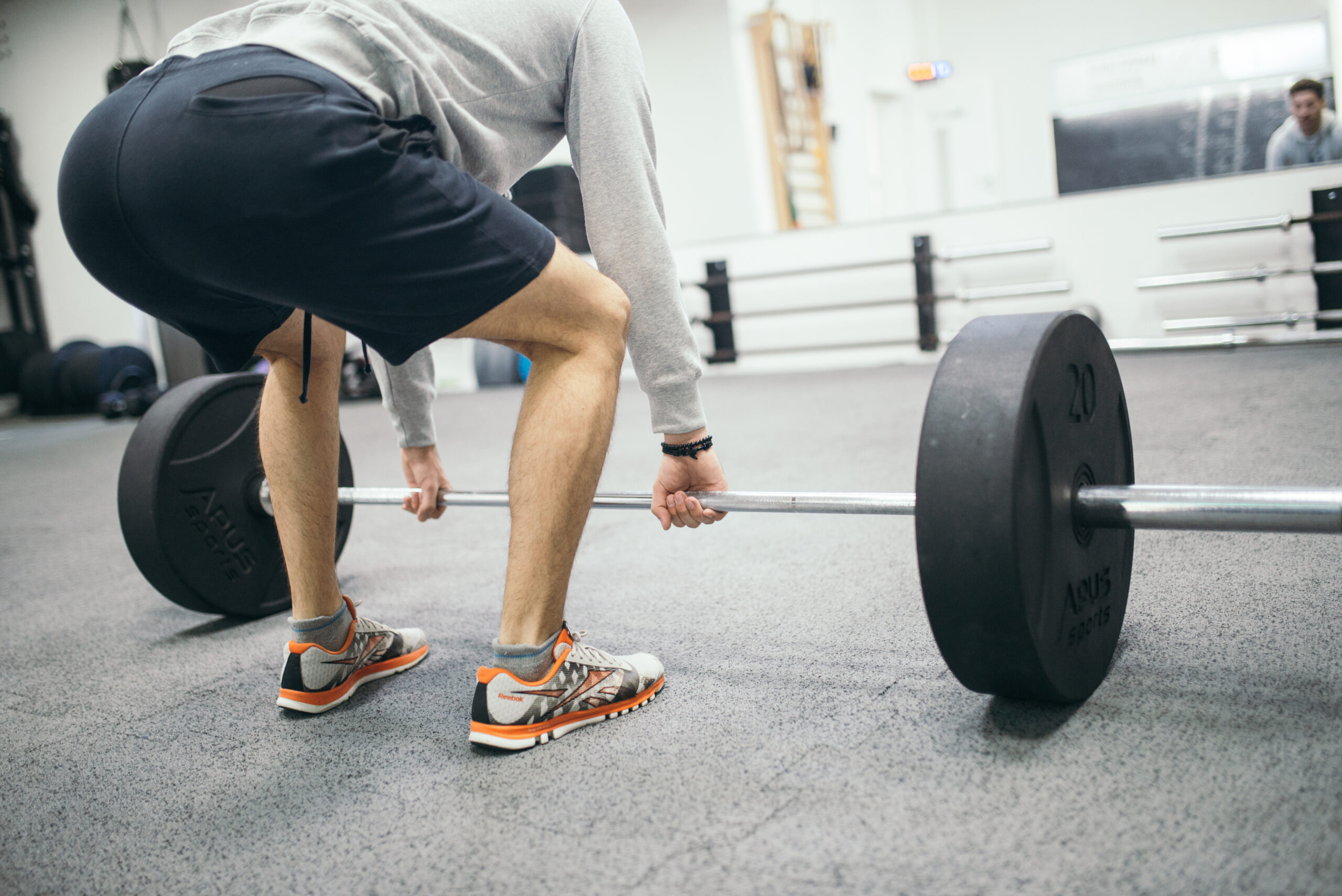
If chalk isn’t allowed at your gym at all, lifting straps or padded gloves are the next-best workaround — they won’t fix the sweating, but they take the grip problem out of the equation entirely for heavier lifts. Straps are especially useful for pulling movements like deadlifts and rows, where losing your grip mid-rep is both dangerous and genuinely common if your palms sweat heavily.
Beyond chalk, some people with palmar hyperhidrosis also use a topical antiperspirant cream on their palms the night before a big lifting session, which can reduce how much they sweat in the first place rather than just managing the grip problem after the fact. That’s a longer-term approach rather than something you’d do mid-workout, but it’s worth knowing chalk isn’t the only tool available if sweaty palms are a recurring problem for you specifically, not just an occasional gym annoyance.
Post-Workout: Towels and Quick Changes
A dedicated gym towel matters more than people think — not just for wiping down equipment, but for you. Sitting around in soaked workout clothes after you’re done is exactly the kind of thing that leads to skin irritation and odor. A quick-dry microfiber towel like the Acteon Microfiber Gym Towels (the silver-ion treatment helps keep it odor-free between washes) takes up almost no space in a gym bag. If you can shower or at least change into dry clothes right after your workout instead of driving home in soaked gear, do it — it makes a real difference.
What’s Underneath Counts Too
For a lot of people with hyperhidrosis, the base layer under your gym clothes does more work than the visible outer layer. If you sweat heavily enough that a single wicking tee isn’t cutting it, a dedicated sweatproof undershirt or undergarment adds another layer of protection. I’ve reviewed a few specific options if you want to go this route: SUTRAN Technology’s sweat-blocking undershirts, my own experience with H&M’s more affordable COOLMAX tees, and my full roundups of sweatproof undershirts for men and sweatproof undergarments for women.
My Gym Bag Checklist
- Moisture-wicking top (synthetic blend, not cotton)
- Moisture-wicking, looser-cut bottoms
- Dark colors or a black/white-heavy pattern as your base
- Sweat-wicking socks and breathable shoes
- A headband if sweat-in-the-eyes is an issue for you
- Chalk (powder or liquid) if you deal with sweaty palms and lift weights
- A quick-dry microfiber towel
- A dry change of clothes for after, if you can manage it
Quick Answers to Common Questions
Is cotton ever okay at the gym? For a short, low-intensity session, sure. For anything longer or more intense, it’s going to work against you once you actually start sweating.
What’s the single best color for gym clothes if I sweat a lot? Black, hands down. It hides sweat better than any other color, and it goes with everything else in your gym bag.
Do I need special “hyperhidrosis” clothing, or will normal athletic wear work? For most people, a good moisture-wicking synthetic blend from any mainstream activewear brand is enough. Dedicated barrier-style sweatproof brands are worth it if wicking fabric alone isn’t cutting it for you.
Is liquid chalk as effective as powder chalk? It’s close, and it’s the better choice if your gym bans powder chalk because of the mess. Powder chalk still has a slight edge for very heavy, prolonged sweating during longer lifting sessions.
None of this fixes hyperhidrosis — nothing about clothing does. But the right combination of fabric, fit, color, and a few small tools like chalk genuinely changes how a workout feels when you sweat more than most people, and it’s made the gym a lot less stressful for me personally.
This post reflects my own personal experience and research. Some links in this post are affiliate links (Amazon and other partner sites) — if you make a purchase through them, I may earn a small commission at no extra cost to you. That doesn'”‘”‘t change my honest recommendations above.