I’ve dealt with hyperhidrosis for as long as I can remember, and it took me a while to realize that stress and heat weren’t my only triggers — what I ate mattered just as much. Certain foods and drinks ramp up my body’s sweat response by raising my core temperature, firing up my nervous system, or spiking my heart rate. Cutting back on the worst offenders hasn’t cured me, but it’s taken the edge off my flare-ups more than I expected.
Quick note before we dive in: hyperhidrosis doesn’t look the same for everyone. If yours shows up more in one spot than another, here’s where I’ve got you covered:
- Palmar Hyperhidrosis (sweaty hands)
- Plantar Hyperhidrosis (sweaty feet)
- Axillary Hyperhidrosis (underarm sweating)
- Craniofacial Hyperhidrosis (face and scalp sweating)
Why My Diet Affects My Sweating
Sweating is my body’s cooling system, controlled by the sympathetic nervous system. I’ve learned that certain compounds in food — like capsaicin in chili peppers or caffeine in coffee — directly stimulate the nerves that trigger my sweat glands, even when my body doesn’t actually need to cool down. Since my sweat glands are already overactive, these triggers can turn an ordinary meal into a full-on flare-up for me.
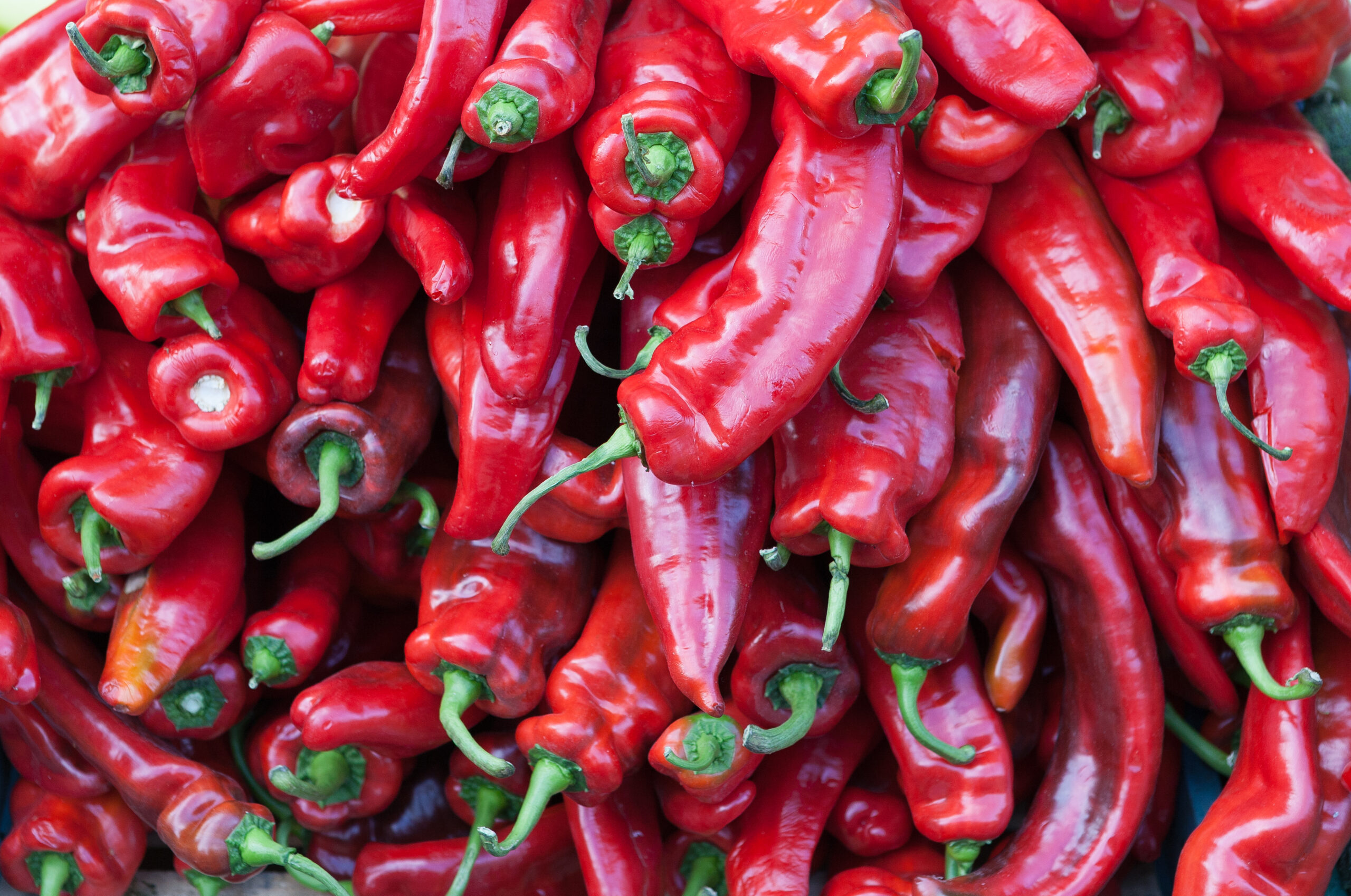
1. Spicy Foods
Chili peppers, hot sauce, and anything heavy on cayenne or curry powder are an instant trigger for me. The capsaicin tricks my brain into thinking my body is overheating, and within minutes I’m dealing with sweat beading on my face, scalp, and neck.
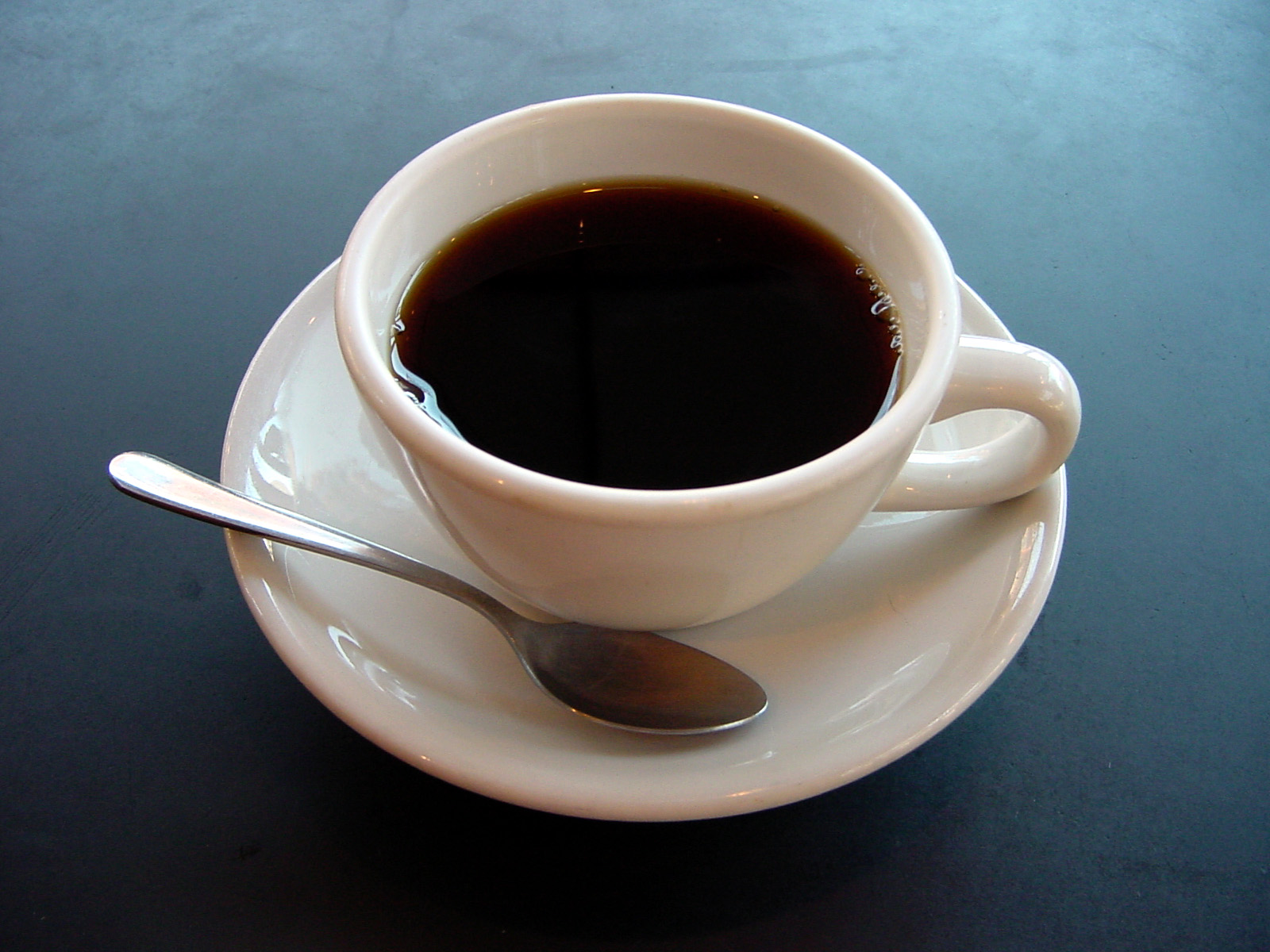
2. Caffeine
My morning coffee habit was one of the hardest things to admit was a problem. Coffee, energy drinks, and even some black and green teas stimulate my central nervous system and raise my heart rate, both of which crank up my sweat production. I’ve also noticed caffeine’s mild diuretic effect makes my body work harder to regulate temperature.
3. Alcohol
I’ve noticed alcohol widens my blood vessels, which sends a rush of blood to my skin’s surface and signals my body to sweat to cool down. Red wine and hard liquor tend to hit me the hardest.
4. Hot Soups and Beverages
Anything I eat or drink steaming hot raises my core body temperature directly, and I feel the cooling response kick in almost immediately. Swapping hot tea or soup for a room-temperature or iced version has made a noticeable difference for me.
5. High-Sodium and Processed Foods
I’ve found that too much sodium makes me retain water and makes my cardiovascular system work harder, both of which seem to increase how much I sweat. Packaged snacks, deli meats, and fast food are the sneaky sources I have to watch for.
6. Garlic and Onions
These contain sulfur compounds that get released through my sweat glands as I metabolize them. They don’t necessarily make me sweat more, but I’ve definitely noticed they make my sweat smell stronger.
7. Fried and Fatty Foods
Heavy, fatty meals take my body more energy to digest, which raises my metabolic rate and body heat — and I almost always end up sweating during or after eating them.
8. Sugary Foods and Refined Carbs
Foods that spike and then crash my blood sugar — soda, pastries, white bread — seem to trigger a stress response as my body scrambles to stabilize glucose levels, and sweating is part of that response for me.
What I Eat Instead
- Water — staying hydrated helps my body regulate temperature more efficiently.
- Magnesium-rich foods — leafy greens, almonds, and pumpkin seeds have become staples for me.
- Calcium-rich foods — I’ve read the research linking calcium intake to reduced sweat gland activity, and I try to get enough.
- Cooling foods — cucumber, watermelon, and yogurt are gentler on my system.
- Sage tea — I picked this up as a traditional remedy for sweating, and it’s now part of my routine.
When I Decided to See a Doctor
Dietary changes have helped me manage some of my triggers, but they haven’t treated my hyperhidrosis itself. When excessive sweating started affecting my daily life, I talked to a dermatologist about options like clinical-strength antiperspirants, iontophoresis, prescription medication, and Botox injections.
This article reflects my personal experience and is for general informational purposes only — it isn’t a substitute for professional medical advice.